What to know
- The dashboard initially serves Early Access customers.
- Per-domain hashed identifiers connect observed account activity.
- Investigators need to assess false positives alongside detected abuse.
An account history instead of one isolated check
Cloudflare announced an Account Abuse Protection dashboard on October 2, initially available to Early Access customers. It groups activity from configured login and signup flows around per-domain hashed user identifiers, combining observed events with network and device signals. The interface lets investigators move from population-level patterns to specific accounts.
The product framing responds to a limitation of one-time verification: passing a check does not explain every later action by the account. A history can give investigators more context. It should still be understood as evidence about observed activity, rather than a universal verdict about a person’s identity or intent. Availability to Early Access customers is also a distinct stage from general release.
Analysis: Unusual behavior is not always abuse
A legitimate user might travel, replace a phone, use an accessibility tool or work through a shared network. Each can change the pattern an account presents. The useful investigation asks whether the change fits the surrounding activity and whether additional evidence supports an adverse decision. A score or anomaly should not silently become the entire explanation.
Stateful detection also depends on the quality of the identifier and the events connected to it. If an application inconsistently identifies accounts, a history may be fragmented or incorrectly joined. Before judging the detector, teams need to verify the integration. Hashed values reduce direct exposure of the configured identifier, but the surrounding behavioral record still deserves appropriate handling and a clear purpose.
Practical implications: Measure decisions and their corrections
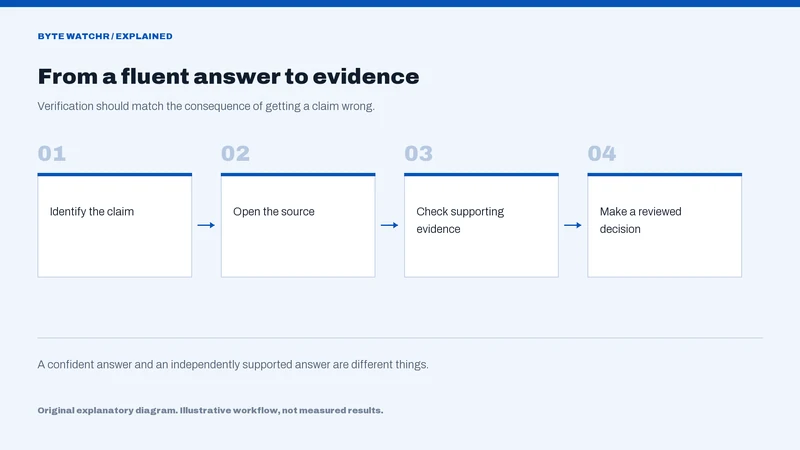
A rollout can compare investigated alerts with confirmed outcomes and record when legitimate users were challenged or blocked. Analysts should have enough context to explain a decision and a route for correcting it. The cost of a false positive can differ sharply between an ordinary signup and a time-sensitive account action, so aggregate accuracy alone may conceal important effects.
Teams can also test whether the dashboard reduces the work of assembling an account’s history from separate tools. That is a practical operational measure even before a broad effectiveness claim is justified. Cloudflare’s announcement establishes a new investigation interface and its initial availability. The value will depend on sound account mapping, useful contextual evidence and proportionate responses. Behavior over time can enrich an investigation, but its interpretation still needs an accountable process that recognizes ordinary changes as well as malicious ones.
A correction process should retain why a decision changed. That can help analysts improve their interpretation of unusual but legitimate activity and prevent the same account from repeatedly facing an unexplained restriction after the original concern has been resolved.
Sources & further reading
Factual statements are grounded in the linked material. Interpretation and illustrative examples are Byte Watchr analysis. Vendor claims are identified as claims, rather than independent testing.
The event date records the source announcement or documented operation. The coverage edition groups recent developments and is separate from the publication date. Actual publication is recorded above.
Corrections policy · About this byline