What to know
- Armadin raised $255.5 million at a valuation above $2.5 billion.
- The company uses AI agents to simulate attacks and prioritize exploitable paths.
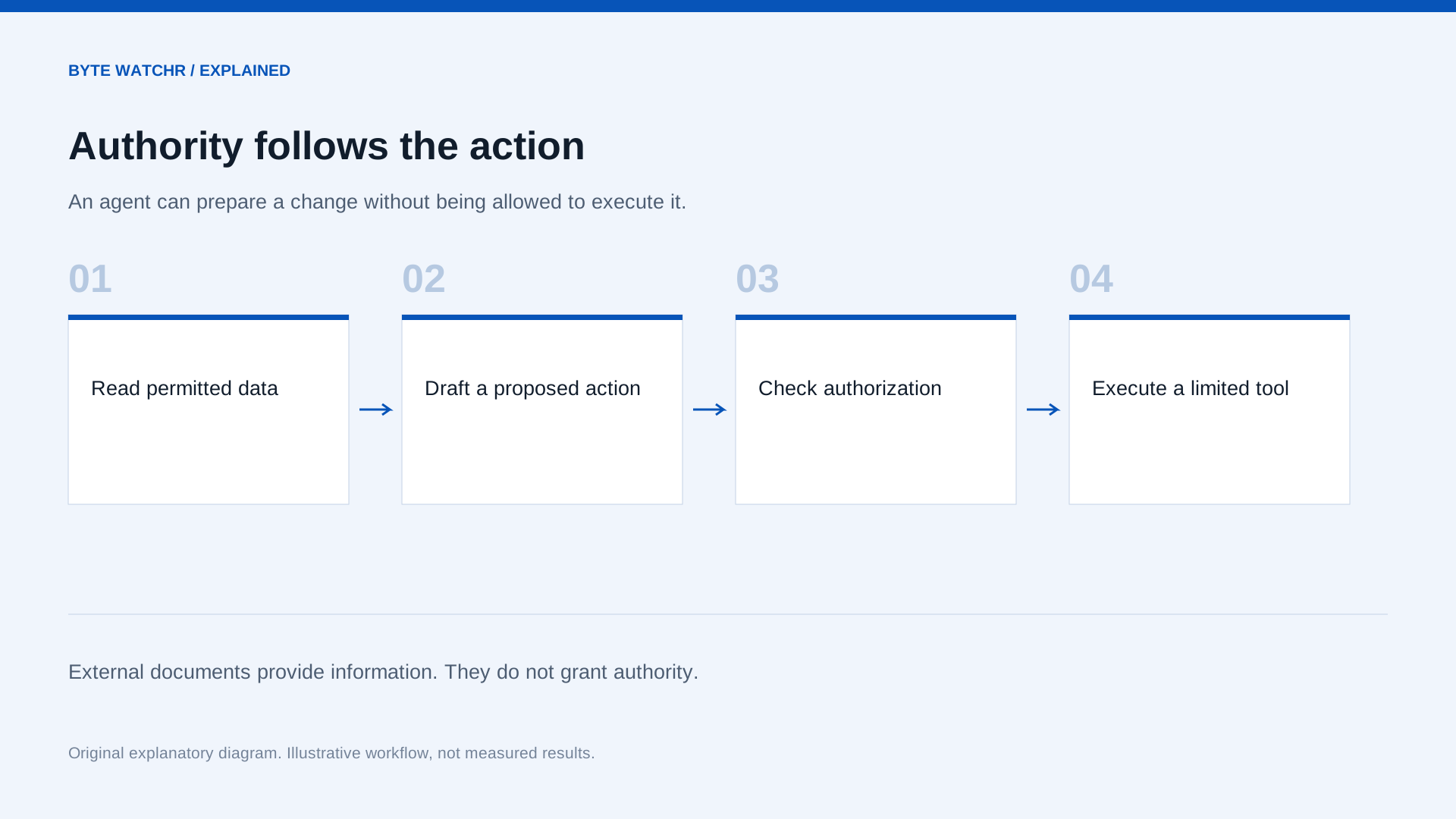
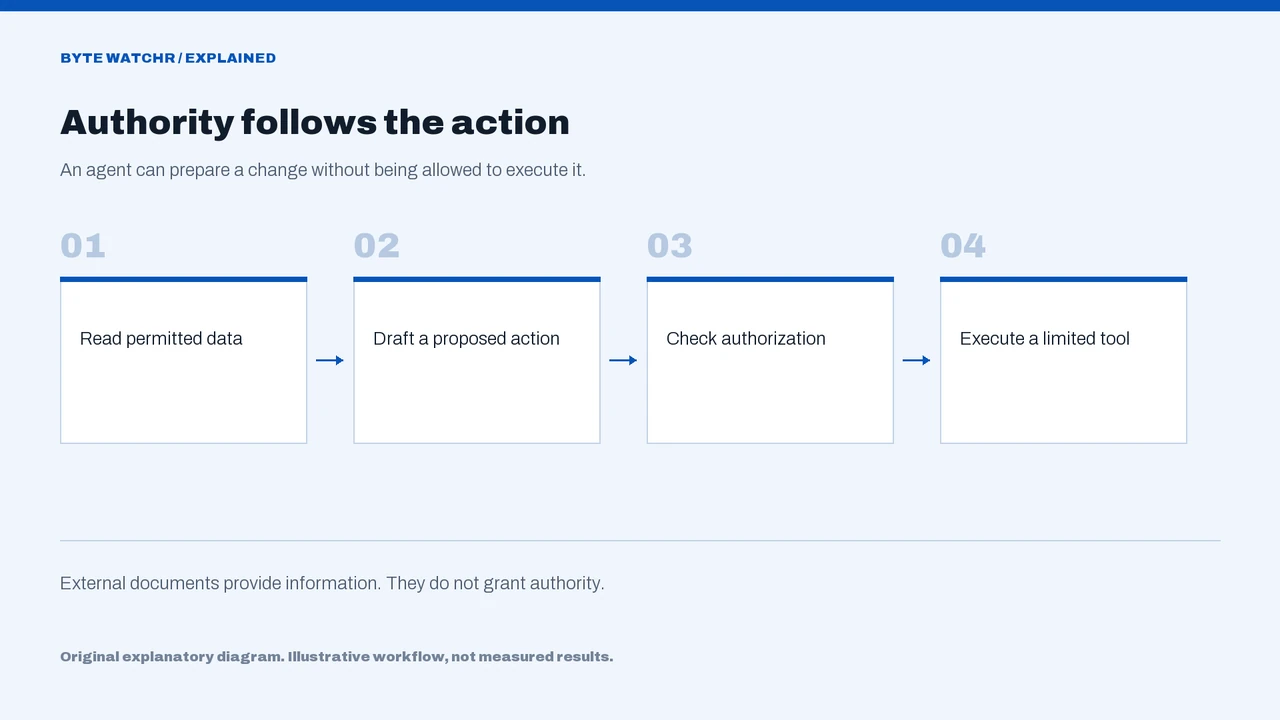
- Authorization, containment and reproducible evidence are essential for autonomous offensive testing.
Investment follows a shift from alerts to validated paths
Armadin announced a $255.5 million Series B round on October 1, valuing the company above $2.5 billion, Reuters reported. The Wall Street Journal described a platform that uses swarms of AI agents trained to identify and validate attack paths. Founder Kevin Mandia argues that vulnerability discovery is increasingly easy while security teams remain overwhelmed by findings that do not explain what an attacker can actually achieve.
That problem is familiar across security programs. A scanner can produce thousands of weaknesses without showing which combination crosses a meaningful trust boundary. Offensive validation can reduce noise by connecting exposures, credentials and permissions into an observed path. It also creates more consequential activity than passive scanning because the system may execute actions inside a customer environment.
Source: Reuters: Armadin valued above $2.5 billion after funding · WSJ: AI cyber startup Armadin raises $255 million
How buyers should evaluate agentic security testing
Buyers should ask how the platform isolates agents, stores credentials and prevents activity from leaving the authorized scope. They should understand which actions require human approval and how emergency termination works. The provider’s own access to customer environments should be limited, logged and reviewable.
Programs should measure more than the number of vulnerabilities found. Useful measures include confirmed attack paths, time to remediation, recurrence after fixes and the rate of unsafe or irrelevant actions. Comparison against human testing and existing tools can show where agents add coverage rather than merely producing more activity.
Armadin’s financing shows investor confidence in autonomous offensive security and in Mandia’s track record. The durable question is whether the platform can scale judgment as well as execution. Agent swarms can explore more possibilities than a small team, but speed increases the cost of weak boundaries. The category will earn trust by combining realistic validation with disciplined authorization, reproducible evidence and a clear route back to a clean environment after every test.
Procurement teams should clarify liability and notification terms before testing begins. An autonomous action may affect availability or touch regulated data even inside an approved scope. Contracts cannot replace technical containment, but they can establish escalation contacts, evidence handling and responsibility for cleanup. Mature engagements will treat the platform as a powerful testing operator whose access is temporary, purpose-bound and reviewed after every campaign.
Sources & further reading
- Reuters: Armadin valued above $2.5 billion after funding
- WSJ: AI cyber startup Armadin raises $255 million
Factual statements are grounded in the linked material. Interpretation and illustrative examples are Byte Watchr analysis. Vendor claims are identified as claims, rather than independent testing.
The event date records the source announcement or documented operation. The coverage edition groups recent developments and is separate from the publication date. Actual publication is recorded above.
Corrections policy · About this byline