What to know
- The announcement is a future integration roadmap, not a shipment report.
- A specialized component must be assessed within the complete workload.
- Compatibility can create opportunities while introducing dependencies.
What was announced
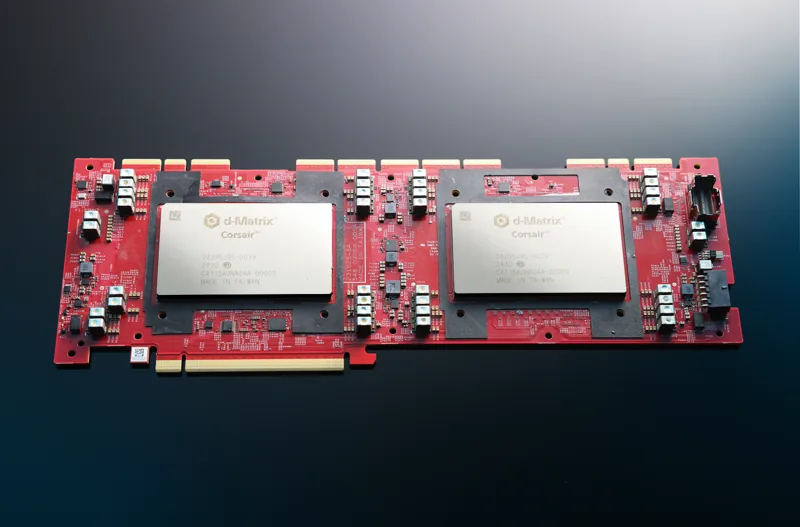
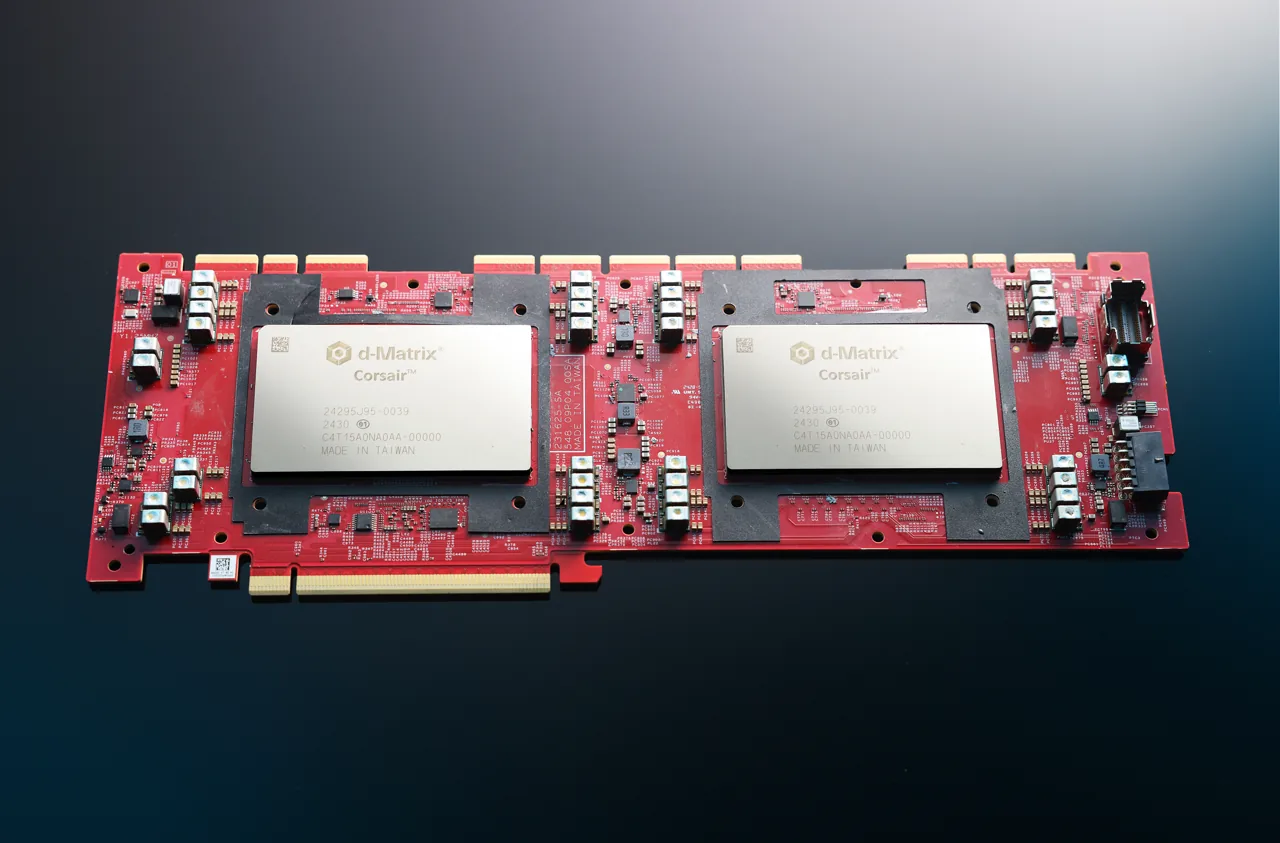
On September 10, 2026, d-Matrix announced a multiyear NVIDIA collaboration using NVLink Fusion and MGX rack infrastructure. The planned integration begins with Raptor inference XPUs, with Astera Labs participating in connectivity.
d-Matrix described packaging that combines a DRAM memory chip and an SRAM compute chip. It expected tape-out before the end of 2026 and initial availability of Raptor XPUs in MGX racks in Q4 2027. This retrospective treats those dates as company targets, not completed milestones.
Source: d-Matrix Adopts NVIDIA NVLink Fusion Rackscale Infrastructure for Ultra-Low Latency AI Inference
Analysis: Specialization must earn its place in a system
A specialized component can be attractive if it addresses a constraint that matters to the complete workload. The challenge is showing that the benefit survives the interactions required to use it. A fast operation in isolation would not establish an equally large improvement in the service a user experiences.
Consider a hypothetical inference workload that spends substantial time waiting for data. An alternative design might reduce that waiting. Its overall value would still depend on how work reaches the component, how results return, and whether another stage becomes the limiting factor. This is a conditional reasoning example, not a measured finding about Raptor. It suggests why system-level evidence should carry more weight than a single component headline.
Analysis: A roadmap needs observable milestones
A target date is useful because it makes a plan explicit. Its credibility becomes easier to assess when progress can be connected to concrete, separately observable steps. Those steps might include a completed design stage, working samples, integration results, and a commercially available configuration. This is a proposed way to follow the roadmap, not a claim that any unannounced milestone has occurred.
Each stage also answers a different question. A successful component demonstration could support a technical proposition while leaving manufacturing, integration, or workload behavior unresolved. A complete system demonstration could still leave questions about sustained operation. Readers should therefore ask what a milestone establishes and what remains outside its scope. Compressing all progress into a single approaching launch date would make the evidence less useful.
What remains unproven or unknown
The announcement does not provide an independently reproducible production benchmark for the planned integration. Byte Watchr has not tested Raptor or verified the projected availability. Claims about future latency and efficiency should remain attributed expectations.
A fuller evaluation would need a defined workload, output-quality requirements, operating conditions, and accounting for the complete system. It would also need to distinguish a best-case demonstration from behavior across the range of requests the system is intended to serve. Without those details, a reader cannot confidently translate a proposed architecture into a customer outcome. The missing evidence does not establish that the plan will fail; it identifies what remains to be demonstrated.
Source: d-Matrix Adopts NVIDIA NVLink Fusion Rackscale Infrastructure for Ultra-Low Latency AI Inference
Practical implications: Measure the result a customer receives
An informative future comparison would begin at request arrival and end when an acceptable result is complete. It could show how the system behaves across several request sizes and how performance changes under different levels of demand. The value of the exercise would come from disclosed conditions and inspectable results, rather than from a single unexplained maximum.
For readers following the company, the next story should be tied to such evidence or to a clearly completed milestone. The September announcement establishes strategic intent: a specialist pursuing differentiation within a shared infrastructure approach. Whether that choice delivers a compelling service remains an empirical question. Keeping the roadmap, the demonstration, and the eventual operating result separate will make later progress easier to judge.
Sources & further reading
Factual statements are grounded in the linked material. Interpretation and illustrative examples are Byte Watchr analysis. Vendor claims are identified as claims, rather than independent testing.
This article belongs to Byte Watchr’s launch collection. The event date records the source announcement or documented operation. Actual publication is recorded above.
Corrections policy · About this byline