What to know
- New organizations get the strict setting by default from October 5.
- Service Auth policies decide machine requests under the setting.
- Existing organizations need to review client behavior before enabling it.
Machine authentication gets consistent responses
Cloudflare announced strict service-token authentication for Access on October 2. For new Zero Trust organizations created from October 5, the setting is enabled and cannot be disabled. Existing organizations can opt in. Under the setting, failed service-token requests receive 401 or 403 rather than a login redirect; only Service Auth policies authorize them, browser authorization cookies are ignored, and successful requests do not issue a browser cookie.
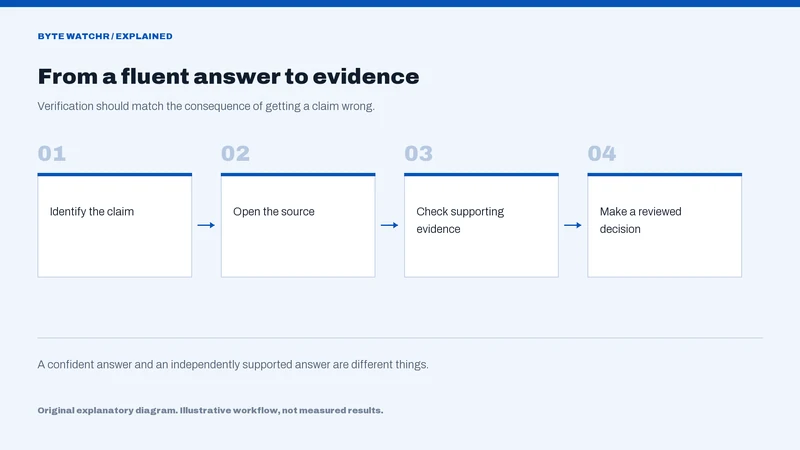
This changes the contract that automation depends on. A browser can follow a redirect and display a login page; a scheduled client may accidentally treat that page as a valid response. Explicit failure codes give software a clearer signal, provided its error handling reads them. Teams migrating older integrations should identify every client that expects cookies or relies on a human-oriented Allow policy before making the change.
Source: Cloudflare official changelog
Analysis: A cleaner boundary needs deliberate migration
Machine credentials and human sessions have different lifecycles. A person can renew a session through an interactive challenge, while a service needs a credential rotation process and a policy tied to its workload. Combining both paths can make an integration appear functional while obscuring which identity actually authorized it. Separating them helps operators explain access decisions and spot a client that has drifted away from its intended authentication method.
The rollout should be treated as a behavior migration, not simply a security toggle. A job might authenticate correctly on its first request and then fail because it expects a returned cookie on subsequent calls. Another may retry authorization failures indefinitely, producing avoidable traffic and hiding a broken policy. Testing should cover initial connection, repeated requests, credential expiration and revocation, with a bounded retry policy and a clear alert when authorization cannot recover.
What to inspect before changing an existing organization
Inventory service tokens by owner and application, then map each one to the Access applications and policies it uses. Remove ambiguity about which team rotates the secret and which team approves its scope. A migration record should document the expected status codes and the exact policy responsible for granting access. That makes later troubleshooting faster than reading a generic connection failure in a job log.
Run a controlled pilot with representative automation before expanding the setting. Confirm that logs show recognized failed tokens and that monitoring can distinguish authentication failure from an unavailable origin. Revoke a test credential to verify that access ends promptly. The default matters because new installations will begin with this separation built in, while older ones retain compatibility choices. The strongest benefit comes when operators make the client, policy and credential lifecycle agree on the same machine identity.
Sources & further reading
Factual statements are grounded in the linked material. Interpretation and illustrative examples are Byte Watchr analysis. Vendor claims are identified as claims, rather than independent testing.
The event date records the source announcement or documented operation. The coverage edition groups recent developments and is separate from the publication date. Actual publication is recorded above.
Corrections policy · About this byline