What to know
- The feature is available starting with cloudflared 2026.9.3.
- Allowed email addresses or domains authenticate with a one-time PIN.
- Neither the developer nor viewer needs a Cloudflare account.
A preview link with an intended audience
Cloudflare’s October 2 announcement adds email access controls to Quick Tunnels starting with cloudflared 2026.9.3. Developers can specify allowed email addresses or domains; viewers prove ownership with a one-time PIN. Cloudflare says neither side needs a Cloudflare account. The option changes an otherwise link-accessible local preview into one with an explicit audience restriction.
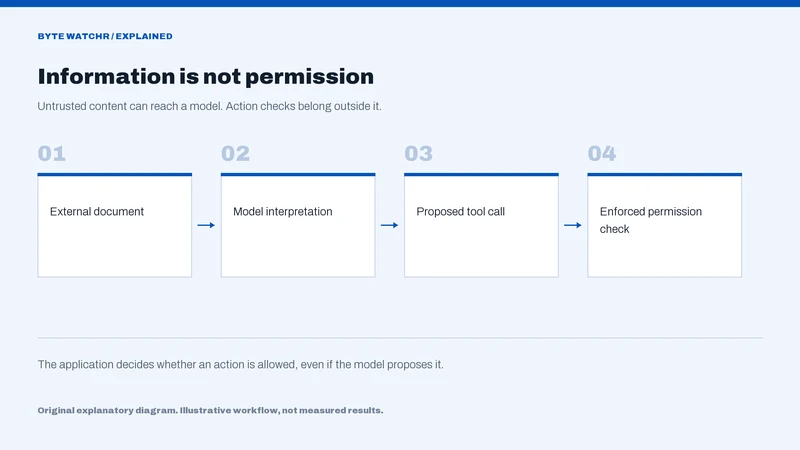
The use case is increasingly relevant to coding agents that produce a local application and offer a shareable URL. A convenient link can make review easier on another device. It also changes exposure: material available only on a developer’s machine becomes reachable through an external endpoint. Selecting an audience should be part of that decision, rather than an assumption made after the link is created.
Practical implications: Check access from both sides
A useful verification includes an allowed viewer and a viewer outside the selected audience. The owner can confirm that the intended application is reachable, the restriction is enforced and the link stops working when the temporary session ends. Those checks make the exposure concrete without assuming the existence of a tunnel is itself proof that the restriction works.
Agent instructions can also define when external sharing is permitted, who may view the result and when the session should close. The meaningful completion state includes both a reviewed preview and a known lifecycle for the endpoint. Cloudflare’s feature provides a smaller-friction access mechanism for temporary local work. Its practical value is greatest when the sharing action remains deliberate, the audience matches the user’s request and the application behind the link contains only the material intended for that review.
A final preview record can note the intended viewers and whether the temporary endpoint has been closed. This is especially useful when an agent created the link, because the human reviewer may never have started the tunnel process themselves.
Sources & further reading
Factual statements are grounded in the linked material. Interpretation and illustrative examples are Byte Watchr analysis. Vendor claims are identified as claims, rather than independent testing.
The event date records the source announcement or documented operation. The coverage edition groups recent developments and is separate from the publication date. Actual publication is recorded above.
Corrections policy · About this byline