What to know
- Agentic autofix can use memory when the feature is enabled.
- Fix patterns can be retained for later work.
- Both features remain in public preview.
Security context can carry into later work
GitHub announced on September 25 that agentic autofix now consults Copilot Memory for customers who have enabled it. The feature can use existing context when resolving security alerts and retain a fix pattern for future work. GitHub says the resulting memories can also inform other Copilot features, including review and cloud-agent tasks.
Both agentic autofix and Copilot Memory remain in public preview. The release therefore introduces an evaluation opportunity, not a reason to assume that every stored pattern is ready for automatic reuse. The useful question is how memory changes the quality and consistency of a proposed fix over time.
A correct pattern has a scope
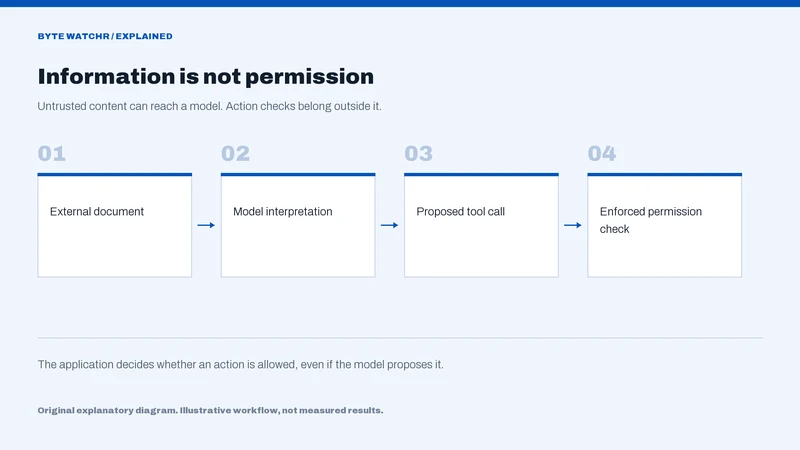
A repair can be appropriate in one part of a codebase and unsuitable in another. Different components may use different trust boundaries, data formats or compatibility requirements. If a memory strips away those conditions, later reuse can reproduce the visible shape of a fix without preserving the reasoning that made it safe.
Reviewers should therefore be able to connect a remembered pattern to the code and assumptions behind it. A useful memory would identify where the pattern applies and which tests support it. It should also remain possible to correct or remove that context when the repository changes, rather than treating accumulated memory as inherently authoritative.
Security fixes deserve validation against the original failure. Passing an existing test suite may show that normal behavior still works, but the suite may not reproduce the vulnerability. A regression test that fails before the repair and passes afterward supplies more direct evidence that the intended weakness was addressed.
Memory needs an evaluation lifecycle
Byte Watchr’s analysis is that persistent context can reduce repeated discovery work while adding another component to maintain. Teams evaluating the preview should compare similar alerts with and without the stored context, recording accepted fixes, review effort and incorrect generalizations. The objective is a better repair process, not simply a larger memory collection.
The trial should include a deliberate change to a previously valid convention. That reveals whether stale context continues influencing proposals and whether the team can update it effectively. It should also include a case where the prior pattern is superficially similar but does not apply, since that is where overgeneralization becomes easiest to miss.
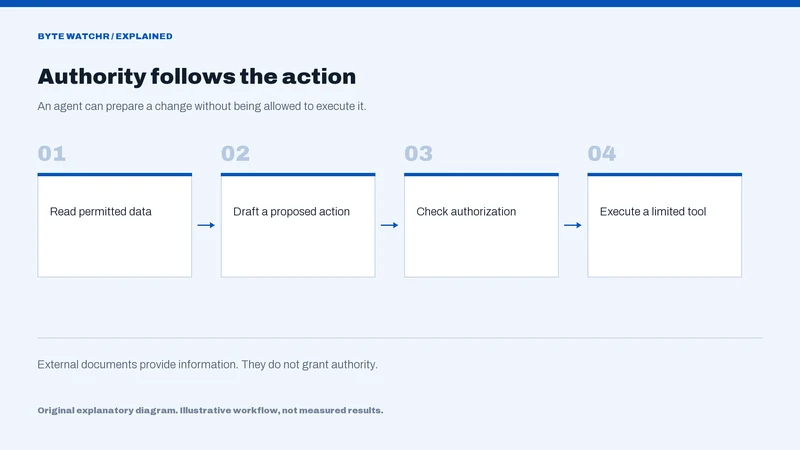
The new connection between autofix and memory makes repository history more available to an agent. Its practical value will depend on whether that history remains attributable, scoped and correctable. Human review and targeted tests remain the evidence that a particular change resolves the current security problem, even when a previous repair supplies a useful starting point.
Sources & further reading
Factual statements are grounded in the linked material. Interpretation and illustrative examples are Byte Watchr analysis. Vendor claims are identified as claims, rather than independent testing.
The event date records the source announcement or documented operation. The coverage edition groups recent developments and is separate from the publication date. Actual publication is recorded above.
Corrections policy · About this byline