What to know
- The first brownout starts October 5 at 14:00 UTC.
- The macOS 14 images are scheduled to retire November 2.
- Migration needs checks of architecture and toolchain behavior.
A planned interruption becomes an immediate deadline
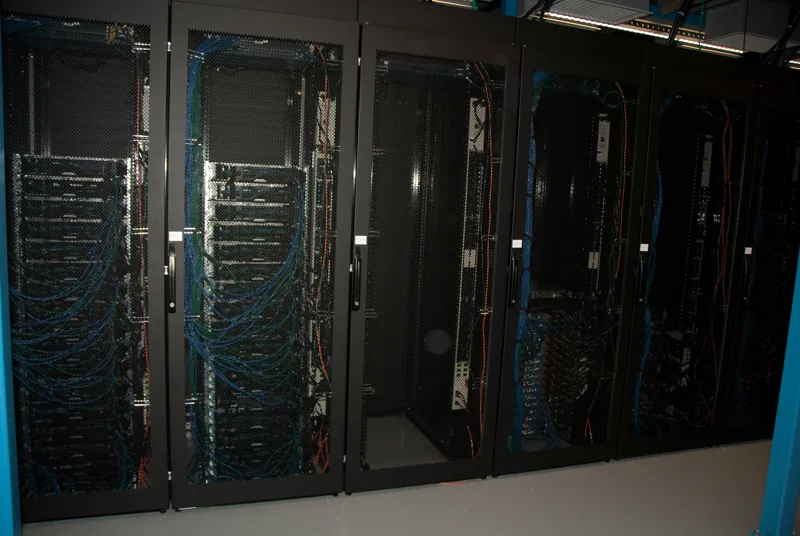
GitHub is retiring its macOS 14 runner image on November 2 and begins scheduled brownouts today, October 5. The first runs from 14:00 UTC until 00:00 UTC on October 6. The affected labels include macos-14, macos-14-large and macos-14-xlarge. Its October 1 notice recommends supported macOS arm64 alternatives and warns that reduced capacity can increase queue times before retirement.
For teams in Phoenix, the first interruption begins at 7:00 AM. That is early enough to affect a normal workday’s release preparation. A failed job during this window may be an intentional platform interruption rather than a new application defect. Build owners should communicate that possibility while still checking logs, since an actual failure can coincide with the brownout. The useful response is to remove the obsolete dependency rather than repeatedly rerun the same job.
Source: GitHub official changelog
Analysis: A runner label is an environment contract
Changing the runner image can change the compiler, SDK, shell tools and processor architecture that a build sees. A workflow that downloads a precompiled utility may discover that the package targets a different architecture. Native extensions, signing steps and cached artifacts deserve particular attention because a successful dependency installation does not prove the resulting application is valid. Image migration should therefore produce a clean build and an executed test suite.
Avoid sharing caches blindly across old and new environments. Include the relevant operating system, architecture and toolchain version in cache decisions, and compare a cold run with a warm run. Otherwise an apparently successful migration may depend on artifacts that will disappear later. Release managers should also check whether build-time signing material, notarization credentials and distribution permissions are available on the chosen replacement, with the same narrowly scoped access as before.
A migration plan that survives retirement
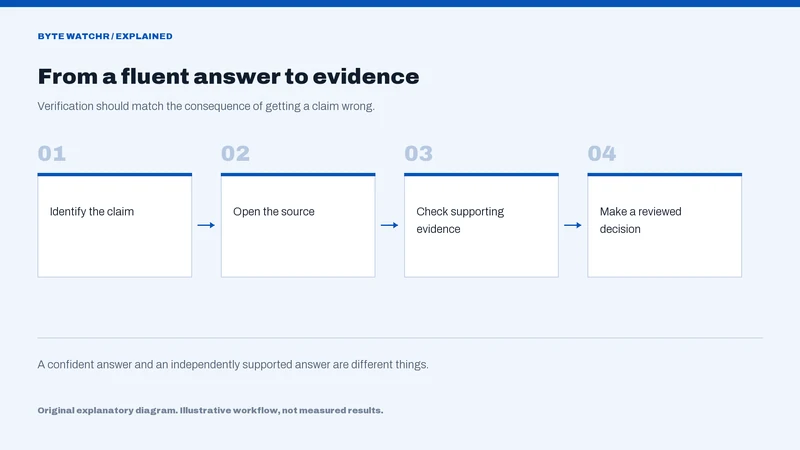
Start with a small representative workflow and compare its output with the existing release process. Record changes in build duration, queue time and artifact size, then exercise the installation or deployment path that users actually follow. A green compilation result is only one part of compatibility. The final package should pass the checks that matter for its supported platforms, especially where universal binaries or legacy hardware remain part of the product contract.
Search reusable workflows and organization templates as well as application repositories. A centrally maintained action can keep selecting the old label long after one visible file has been updated. Assign an owner to each remaining dependency and schedule the transition before the next interruption. The brownouts are a useful forcing function: they expose hidden environment assumptions while recovery is still possible. By November, those assumptions need to be replaced with an explicit, tested runner configuration.
Sources & further reading
Factual statements are grounded in the linked material. Interpretation and illustrative examples are Byte Watchr analysis. Vendor claims are identified as claims, rather than independent testing.
The event date records the source announcement or documented operation. The coverage edition groups recent developments and is separate from the publication date. Actual publication is recorded above.
Corrections policy · About this byline