What to know
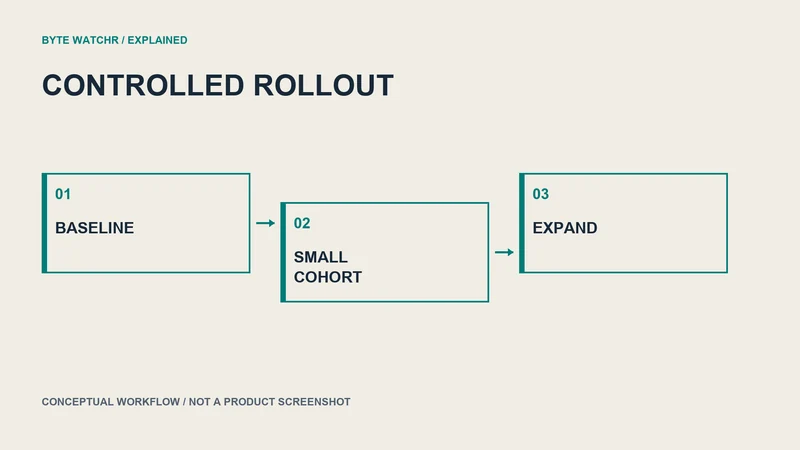
- The rollout ran from September 24 to October 8.
- Google described it as global and covering all languages.
- The dashboard entry concerns ranking, not a Search outage.
A defined end to the rollout
Google’s Search Status Dashboard confirms that the September 2026 spam update finished on October 8. The rollout began September 24 at 09:15 and ended October 8 at 01:00, with those times expressed in US Pacific time. Google published its completion notice at 01:37 PDT and described the update as global across all languages.
The entry concerns a ranking update rather than Search availability. It provides no affected-site list or quantitative impact assessment. Completion establishes a useful period for analysis, but it does not independently explain a traffic change for a particular website or prove that a specific page was affected by the update.
Traffic changes need competing explanations
Site operators should examine their own data before assigning causation. Search traffic can change because of demand, indexing, technical errors, new competitors or altered page content. A ranking update is one possible explanation, and its timing can help frame the analysis. Temporal overlap alone does not eliminate the other possibilities.
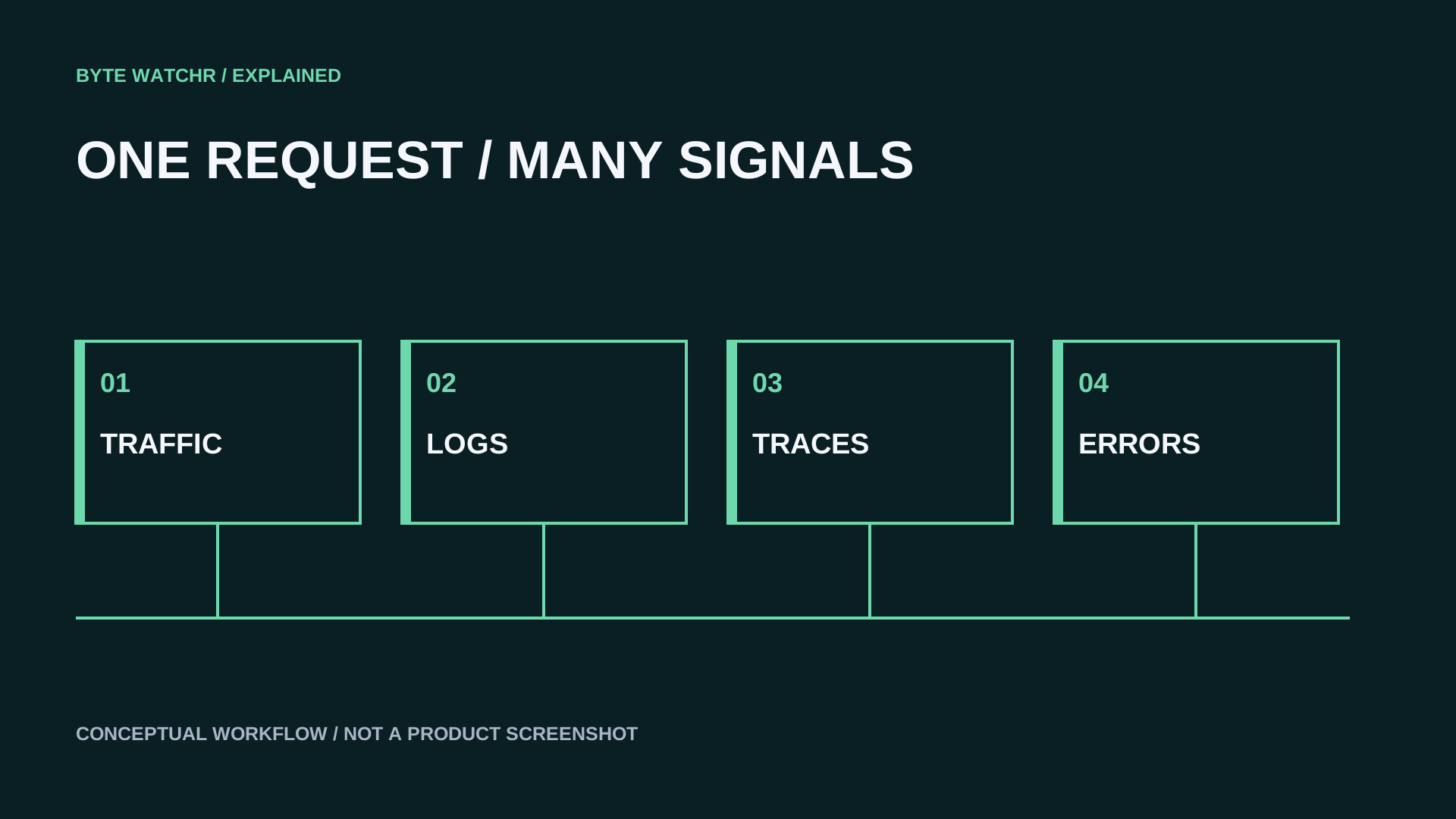
Useful comparisons separate queries, pages, devices and locations. An aggregate decline can hide a gain in one area and a loss in another. Looking at impressions, clicks and average position together can also distinguish reduced visibility from a change in how often users choose a result. Each measure answers a different question and should retain its definition.
Technical checks remain important. A site that changed templates, redirects or canonical URLs during the rollout has additional variables to inspect. Operators should verify crawlability, index status and rendered content before rewriting an editorial strategy. A broken navigation path or incorrect canonical can create symptoms that resemble a ranking problem while requiring a different repair.
Respond with evidence rather than a rushed rewrite
Keep a dated record of site changes and the metrics used for evaluation. That makes it easier to compare periods and identify whether a later recovery follows a specific repair or a broader demand shift. Avoid treating one day’s movement as a complete trend, especially for pages with small traffic volumes.
Content review should focus on usefulness, accuracy and transparent sourcing. Adding keywords or changing headings without identifying a concrete weakness can create more noise in the analysis. If a page fails to answer the user’s question or relies on stale evidence, improving that substance has a clearer purpose than reacting to an assumed algorithm preference.
Byte Watchr’s assessment is that rollout completion is an operational checkpoint for site owners. It closes the announced update window and allows more stable comparisons, but individual outcomes still need investigation. The appropriate next step is a structured review of search data, technical state and content quality, with claims about the update’s impact limited to what the site’s own evidence supports.
Sources & further reading
Factual statements are grounded in the linked material. Interpretation and illustrative examples are Byte Watchr analysis. Vendor claims are identified as claims, rather than independent testing.
The event date records the source announcement or documented operation. The coverage edition groups recent developments and is separate from the publication date. Actual publication is recorded above.
Corrections policy · About this byline