What to know
- Ikotas Labs won Master of Pwn.
- Its Pixel exploit chain earned $300,000 and thirty points.
- Some results included already known bugs and are not entirely new zero-days.
Final-day results extend the disclosure queue
Zero Day Initiative published Pwn2Own Ireland’s final-day results on October 8. Successful demonstrations reached Google Pixel 10, Samsung Galaxy S26, Oracle Autonomous AI Database, printers and connected-home products. Ikotas Labs earned $300,000 and thirty points for a Pixel exploit chain and secured the Master of Pwn title.
Xint also demonstrated a remote Pixel exploit, while a separate Mobile Hacking Lab and CENSUS entry received $112,500. Team MAMMOTH closed the event with a six-zero-day chain against Home Assistant Green. Several other results involved collisions with already known bugs. Controlled contest success does not establish exploitation in the wild, and not every demonstrated bug was new.
An exploit chain is more than one defect
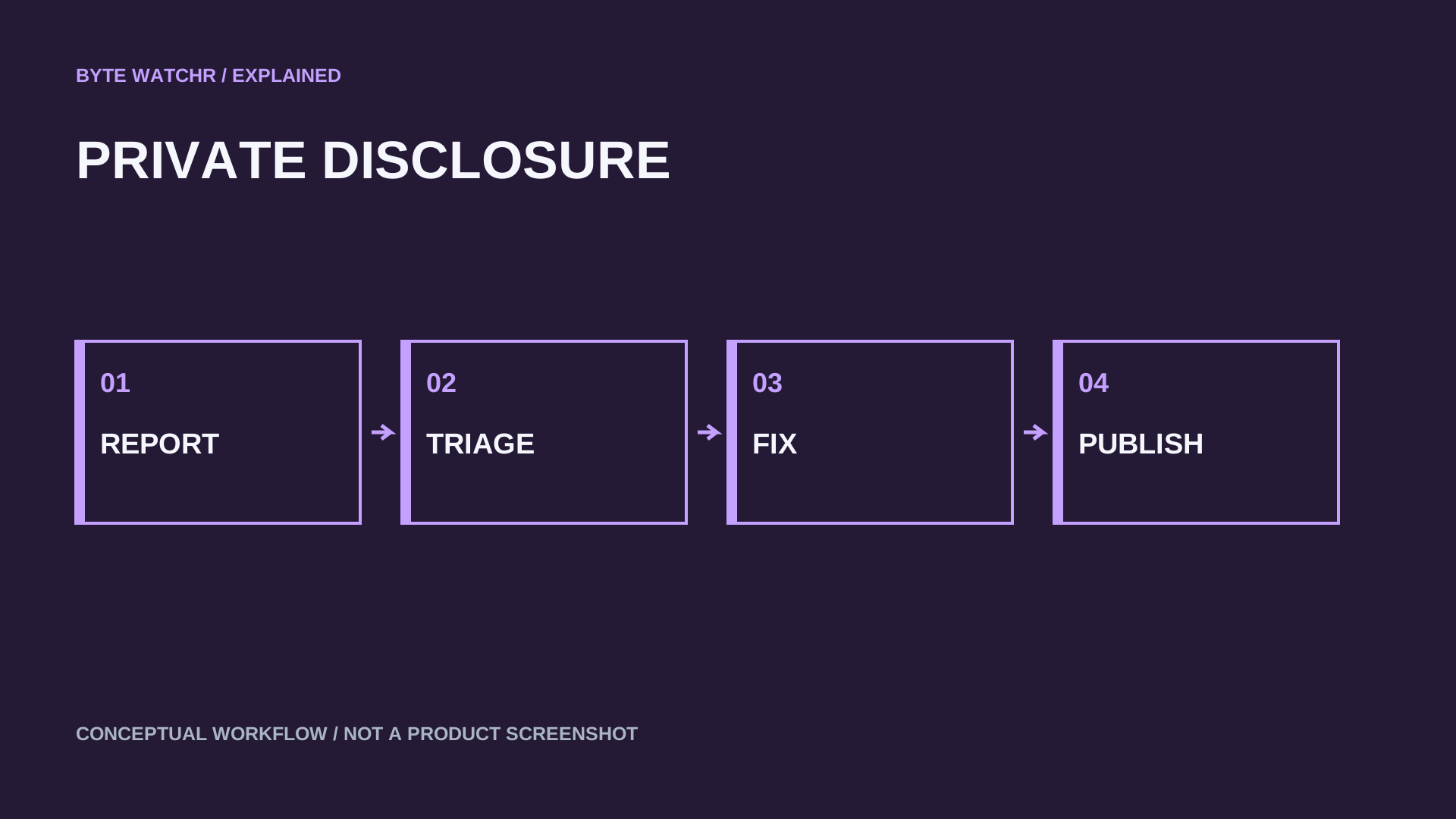
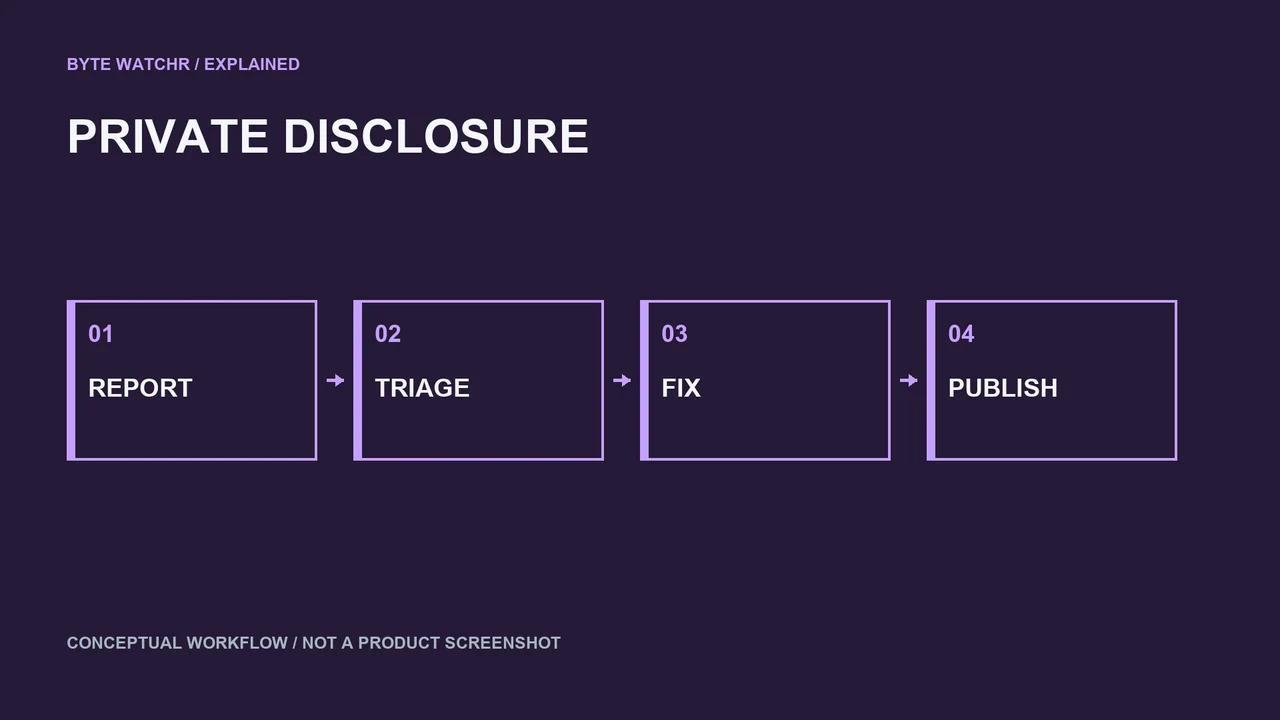
A chain can combine separate weaknesses to move from an initial foothold to a more consequential result. Each stage may depend on a particular configuration or earlier action. Understanding the chain helps vendors decide where a repair can break the attack and helps defenders identify which components need updates.
The contest results also show why novelty counts need care. A successful demonstration can be technically important even when one component overlaps a previously reported issue. Awards and classifications reflect competition rules, while customers need to understand exposure and remediation. Those are related but different questions, and a headline total should not merge them.
For mobile and connected-home products, update delivery adds another layer. A vendor repair may need distribution through device-specific channels, and users may not receive it at the same moment. Organizations should identify the devices and software versions they manage rather than assume that an announced fix has reached every endpoint. Consumer equipment can also appear inside business networks.
Follow through to delivered fixes
The practical next step is to monitor vendor advisories and establish an inventory of affected products. Short results posts often omit full technical details during coordinated disclosure. Defenders should avoid inventing a workaround from a contest description and instead prepare to deploy validated updates when the relevant guidance is available.
After updating, verify the installed state and continue monitoring related access paths. A repaired component can reduce risk while another unmaintained device remains exposed. For products that no longer receive updates, the decision may concern isolation or replacement rather than waiting for a patch. Those choices depend on actual deployment and support status.
Byte Watchr’s assessment is that the final day adds concrete research findings and closes the competition, while the security work continues through disclosure and repair. The meaningful outcome for users is not the prize ranking but whether fixes reach their devices and services. Reporting should preserve the distinction between successful demonstrations, genuinely new vulnerabilities and evidence of real-world exploitation.
Sources & further reading
Factual statements are grounded in the linked material. Interpretation and illustrative examples are Byte Watchr analysis. Vendor claims are identified as claims, rather than independent testing.
The event date records the source announcement or documented operation. The coverage edition groups recent developments and is separate from the publication date. Actual publication is recorded above.
Corrections policy · About this byline