What to know
- The first day included 21 competition entries.
- Demonstrations reached Codex, LiteLLM and an Oracle database.
- Competition success does not establish exploitation in the wild.
New attack surfaces join a familiar contest
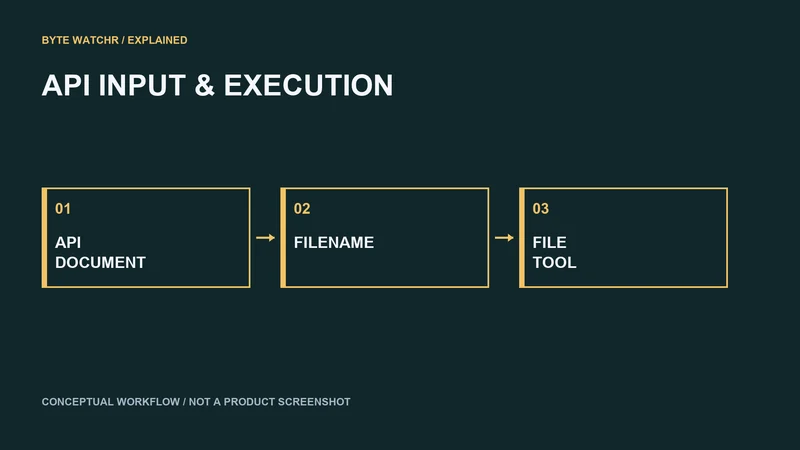
Zero Day Initiative’s October 6 results from Pwn2Own Ireland describe 21 opening-day entries across phones, printers, smart-home products, wellness devices and AI infrastructure. Verified demonstrations included argument injection against OpenAI Codex, a five-bug chain against Oracle Autonomous AI Database, and input-validation and code-injection issues affecting LiteLLM.
The Codex entry earned $40,000. Several demonstrations included collisions with vulnerabilities already known to vendors, affecting awards and the number of genuinely new bugs. The results establish controlled exploit success under competition rules. They do not establish that these chains have been used against customers or that every issue demonstrated was previously unknown.
AI systems retain ordinary software boundaries
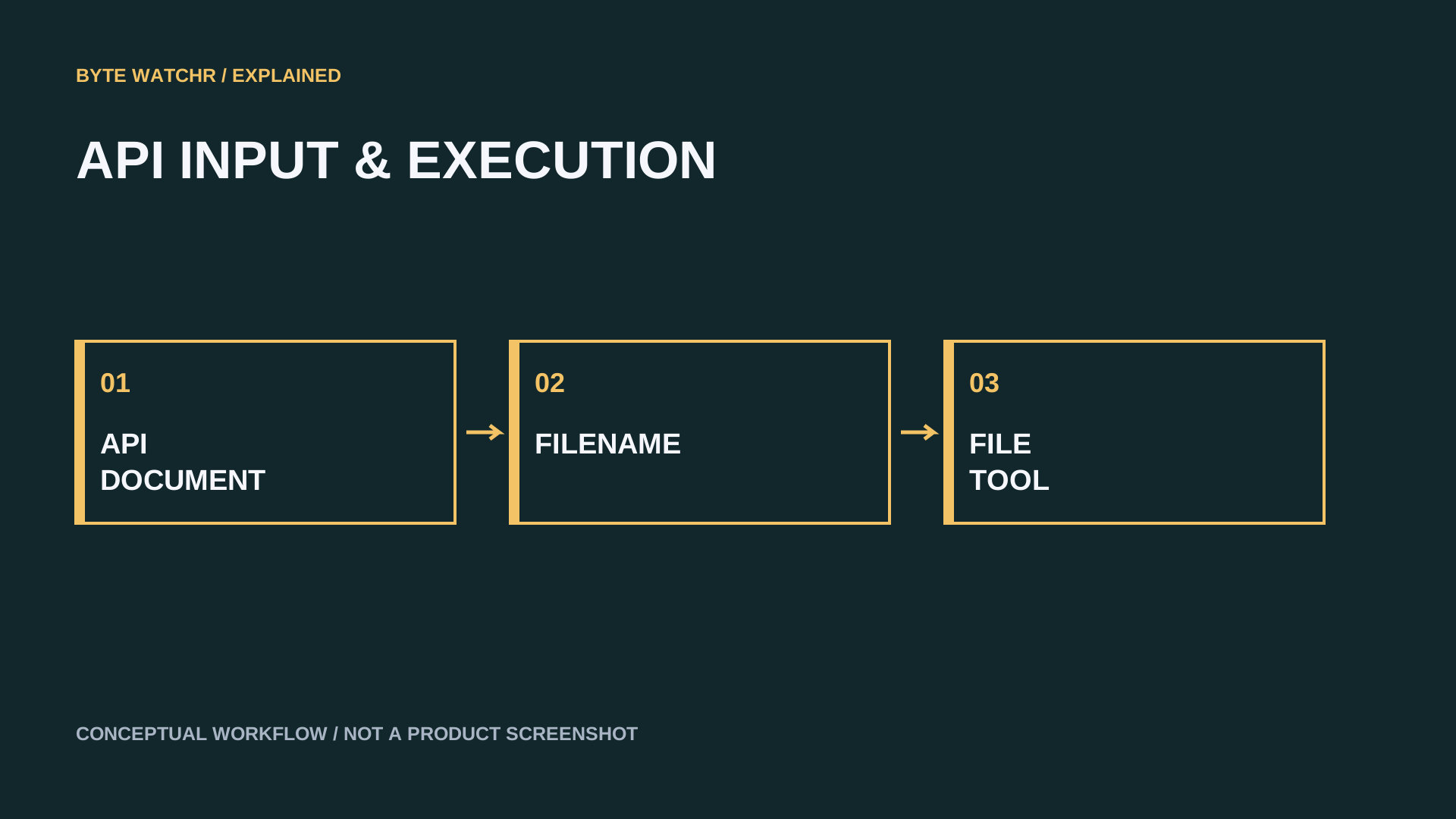
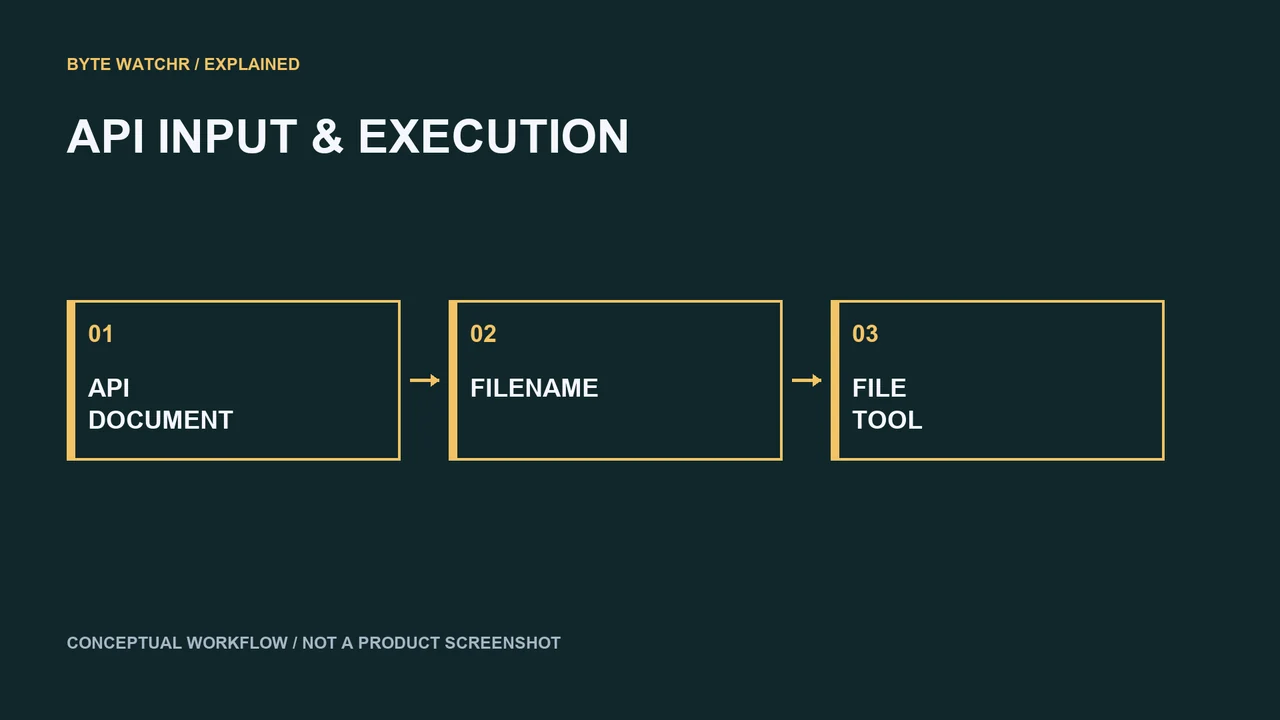
A model can be surrounded by command runners, request routers, credential stores and databases. Those components handle structured inputs and invoke privileged operations. The security question is often whether one layer interprets an input differently from the next, allowing a value intended as data to become an option, instruction or executable fragment.
That makes conventional engineering controls especially relevant. Argument handling should preserve boundaries, generated commands should receive narrow authority and gateways should validate requests before invoking downstream services. A natural-language interface does not remove the need for those controls. It can make their consequences harder to see because the user interacts with a conversational surface rather than the underlying execution path.
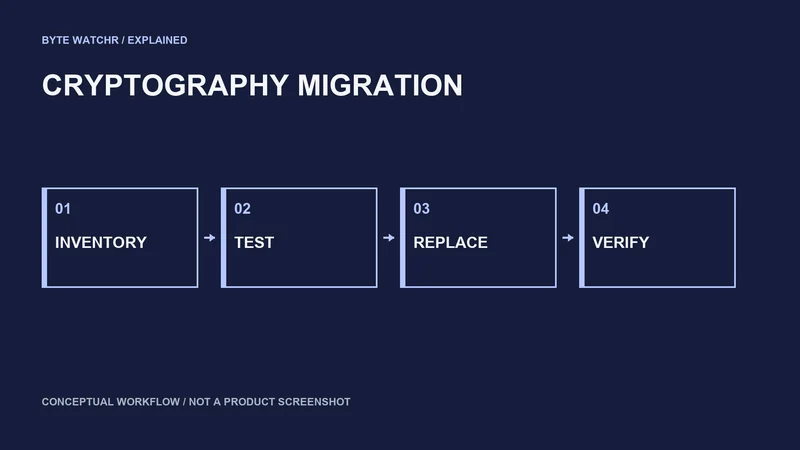
Defenders should also distinguish product exposure from model exposure. If an exploit reaches a tool wrapper, changing the model alone may leave the vulnerable wrapper intact. An inventory should include versions of gateways, plugins, command adapters and database clients. Those dependencies often determine whether a published repair actually reaches the deployed workflow.
From contest results to repair evidence
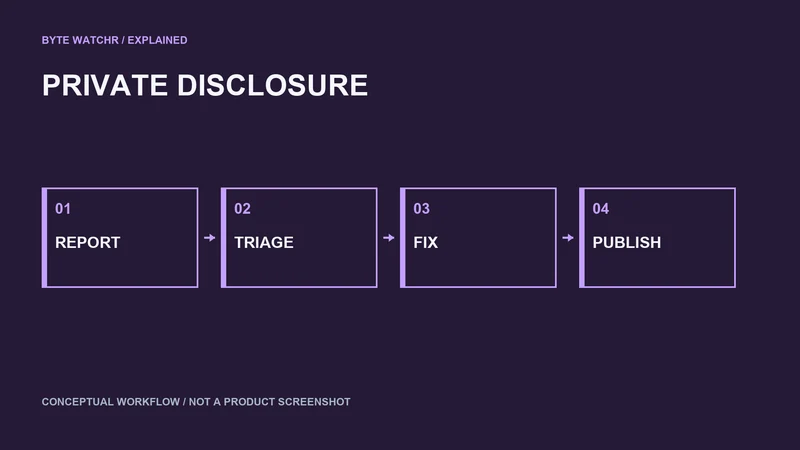
Organizations should monitor vendor advisories for the affected products and avoid inventing remediation details from a short contest result. Coordinated disclosure often means technical specifics arrive later. In that interval, a defensible response is to identify deployments, review their privileges and confirm that updates can be rolled out promptly once available.
When a fix ships, testing should reproduce the relevant boundary condition without unnecessarily exposing a production target. Verify that the prohibited behavior fails and that ordinary work still succeeds. A patch that blocks one payload but permits equivalent input through another interface may not complete the repair.
Byte Watchr’s assessment is that the first day illustrates how quickly AI infrastructure has entered mainstream exploit research. The immediate signal is the breadth of software around models, not proof of a new autonomous attack campaign. The practical response is an accurate dependency inventory, limited execution authority and a process that follows findings through vendor fixes to verified deployment.
Sources & further reading
Factual statements are grounded in the linked material. Interpretation and illustrative examples are Byte Watchr analysis. Vendor claims are identified as claims, rather than independent testing.
The event date records the source announcement or documented operation. The coverage edition groups recent developments and is separate from the publication date. Actual publication is recorded above.
Corrections policy · About this byline