What to know
- The investigation found ARTEX configurations and Claude Code session histories.
- The campaign ran from late September into early October.
- The report does not establish fully autonomous compromise or a named adversary.
Artifacts reveal a mixed toolchain
CrowdStrike reported on October 7 that an unidentified operator used ARTEX, an open-source agentic penetration-testing tool, and language models while targeting South Korean financial organizations. Exposed attacker-controlled directories contained configurations, memory files and Claude Code session histories. The campaign spanned late September into early October and involved data exfiltration.
ARTEX used DeepSeek v4.1-flash as its main backend, with other sessions involving additional models. CrowdStrike assesses with moderate confidence that the operator is a Chinese speaker and financially motivated. That assessment is not a confirmed identity or state attribution. The affected-organization count remains unconfirmed, and the artifacts do not establish fully autonomous breaches.
Source: CrowdStrike: AI-driven ARTEX targeting South Korean finance
Automation changes the pace, not the need for evidence
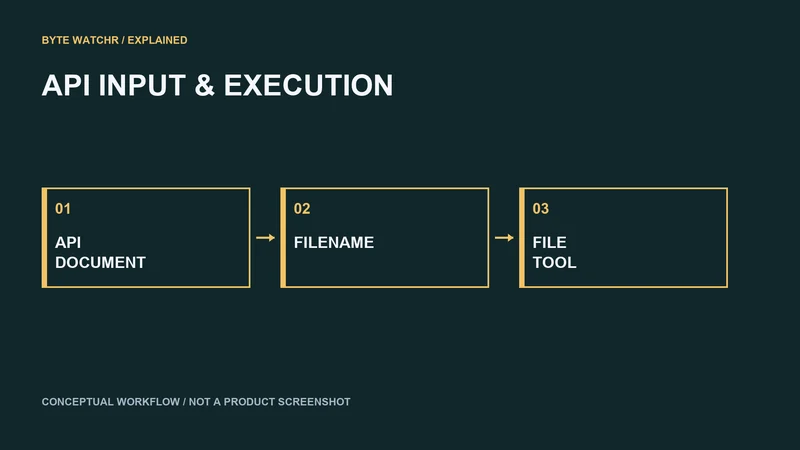
An agent can help assemble commands, interpret results and maintain a task history. Those capabilities can reduce the effort required for repeated steps. Defenders still need to establish what actually ran, what access it obtained and what data left the environment. A transcript of proposed actions is not equivalent to a successful execution record.
The same distinction applies to attribution. Language choices, model preferences and a tool configuration can offer clues, but they can also reflect borrowed material or shared software. Analysts should retain confidence levels and avoid converting a plausible interpretation into a named actor. Operational response can proceed from observed behavior without waiting for a definitive identity.
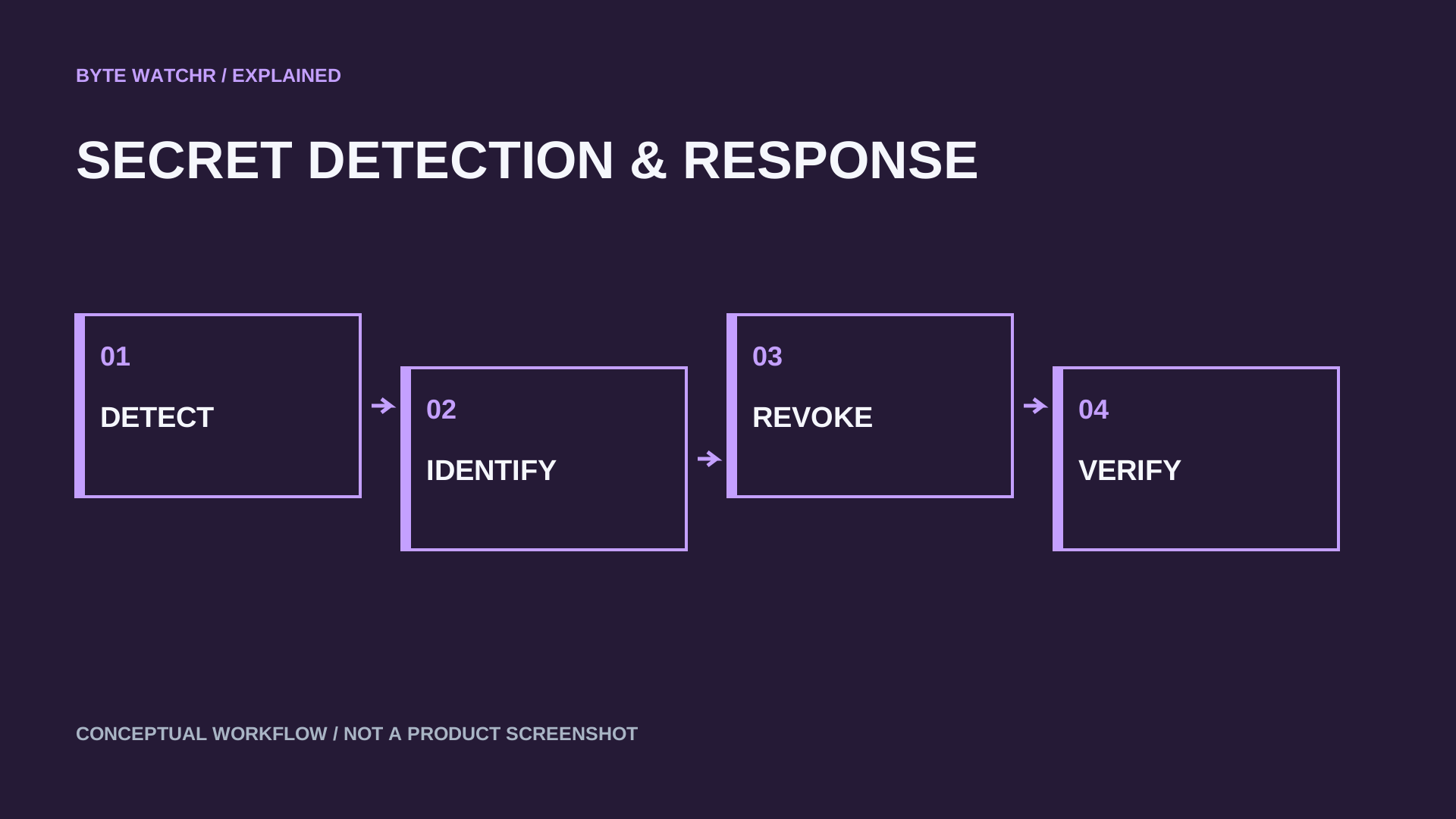
For affected environments, the useful questions concern access and exposure. Which credentials or services allowed the activity? Which records were accessed? What evidence supports exfiltration? Answering those questions directs containment and notification more reliably than a broad label about AI attacks. The report’s tool details are valuable when they help connect observed actions to concrete controls.
Defensive tests should follow the workflow
Teams can use the findings to examine whether their monitoring connects reconnaissance, credential use, tool execution and outbound transfers. Each event may look ordinary alone. Correlating them across a session can reveal a sequence that deserves investigation. Retaining sufficient timestamps and process relationships helps distinguish a genuine intrusion from authorized testing.
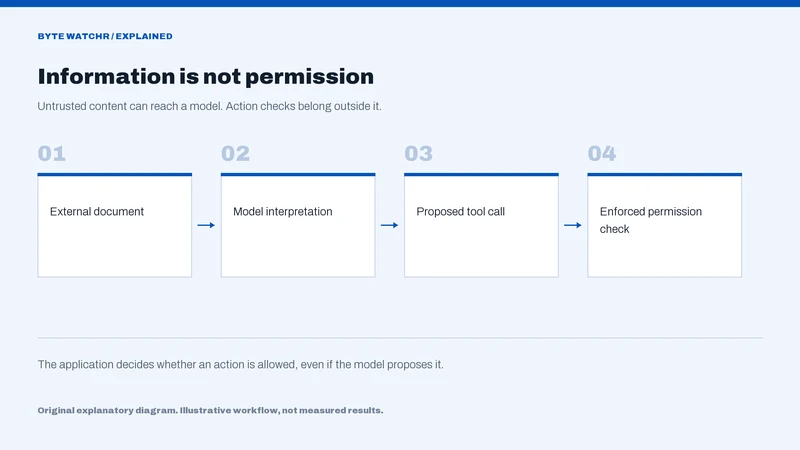
Organizations should also review what authorized agent tools can reach. A security assistant with broad credentials and unrestricted egress can reproduce the same dangerous combination even under legitimate use. Narrow scopes, separate test environments and auditable execution boundaries reduce exposure regardless of whether the operator is a person or an automated workflow.
Byte Watchr’s assessment is that the report supplies concrete evidence of AI-assisted tradecraft while preserving uncertainty about identity and scale. The strongest response is to follow the demonstrated access paths and data movement. Claims of autonomous attackers should not outrun the evidence, and conventional credential, monitoring and containment controls remain central to preventing the observed behavior.
Sources & further reading
Factual statements are grounded in the linked material. Interpretation and illustrative examples are Byte Watchr analysis. Vendor claims are identified as claims, rather than independent testing.
The event date records the source announcement or documented operation. The coverage edition groups recent developments and is separate from the publication date. Actual publication is recorded above.
Corrections policy · About this byline