
What to know
- PageBreak combines model-generated hypotheses with specialized validators.
- Google reports more than 500 XSS findings across its applications.
- Verified findings do not establish that all vulnerabilities were found.
The report follows a verification step
Google described its internal PageBreak project on September 24. The system uses AI to identify candidate vulnerabilities and specialized validators to test them against running environments. Google says it found more than 500 cross-site scripting vulnerabilities across first-party web applications and keeps unverified candidates out of the reports sent to product teams.
The company also acknowledges that its validators do not cover every vulnerability type or complex scenario. That distinction is central to interpreting the results. A low rate of incorrect reports describes the findings that reach reviewers; it does not establish that the system has discovered every exploitable weakness in the applications examined.
Evidence can reduce the cost of triage
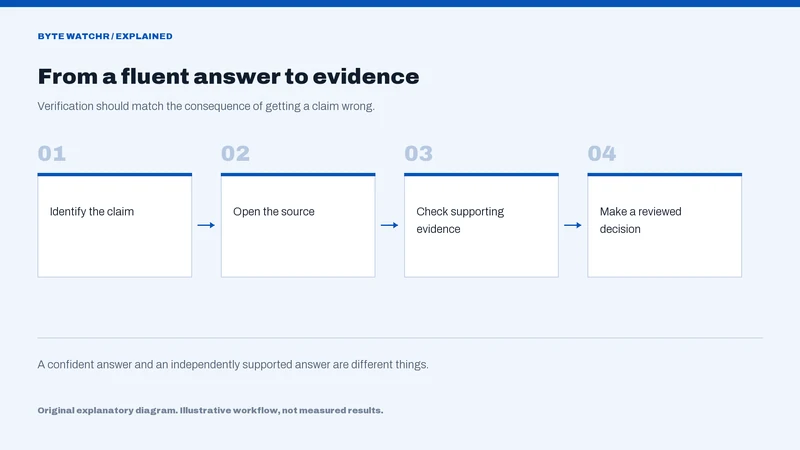
A security report is more useful when the recipient can reproduce the behavior and identify the conditions that make it possible. Without that evidence, a plausible description can transfer substantial investigative work to the application team. Verification makes the handoff more concrete and allows the team to focus on whether the demonstrated behavior violates the intended boundary.
The testing environment remains part of that evidence. A finding may depend on a particular account, configuration or reachable service. Those conditions should be recorded so that the recipient can distinguish a broadly exposed flaw from behavior limited to a test deployment. A result detached from its environment can be difficult to prioritize accurately.
Verification itself also needs authorization and containment. Running a test against an application is an action with possible effects, even when the purpose is defensive. An internal program needs defined targets, bounded test behavior and an operational path for stopping a run that affects availability or accesses information beyond its approved scope.
Measure coverage as well as correctness
Byte Watchr’s analysis is that the approach offers a useful separation between proposing a bug and establishing one. The next evaluation question is where the system fails to look or lacks the tools to confirm a suspicion. Tracking those gaps can guide investment in additional validators and better test environments.
A complete program should also follow findings through repair. The number of confirmed issues is not the same as the number removed from production. Teams need to know whether a fix was accepted, whether the original test now fails safely and whether the change introduced a regression elsewhere. That links discovery to an observable security outcome.
Google’s account is evidence of a particular internal system operating with access to its code and infrastructure. Other organizations should assess which of those conditions they can reproduce. The transferable lesson is the value of a verifiable finding, with explicit limits on scope and coverage, rather than an assumption that an agent’s confident explanation is sufficient evidence of a vulnerability.
Sources & further reading
Factual statements are grounded in the linked material. Interpretation and illustrative examples are Byte Watchr analysis. Vendor claims are identified as claims, rather than independent testing.
The event date records the source announcement or documented operation. The coverage edition groups recent developments and is separate from the publication date. Actual publication is recorded above.
Corrections policy · About this byline
,_Charleston_Road,_Google-Schild_--_2022_--_2896.jpg)