What to know
- The release includes multiple security fixes.
- Hybrid ssh-mldsa44-ed25519 signatures are enabled.
- Distribution availability and compatibility need separate checks.
An upstream release with operational consequences
OpenSSH released version 10.6 on October 6, combining security repairs with changes to cryptographic and compression behavior. Its notes cover recursive SFTP path handling, GSSAPI credential state, username injection risks and compression side channels. The project disables the LZ77 dictionary coder to reduce plaintext recovery risks across multiplexed channels that share compression context.
The release also enables the hybrid ssh-mldsa44-ed25519 signature algorithm and adds server warnings for key agreement that is not post-quantum safe. Experimental keys using an earlier vendor suffix require regeneration or removal. These are upstream changes; an operating-system distributor may deliver the fixes through a differently numbered package or on a separate schedule.
Source: OpenSSH: Release notes for 10.6
Patch status needs package evidence
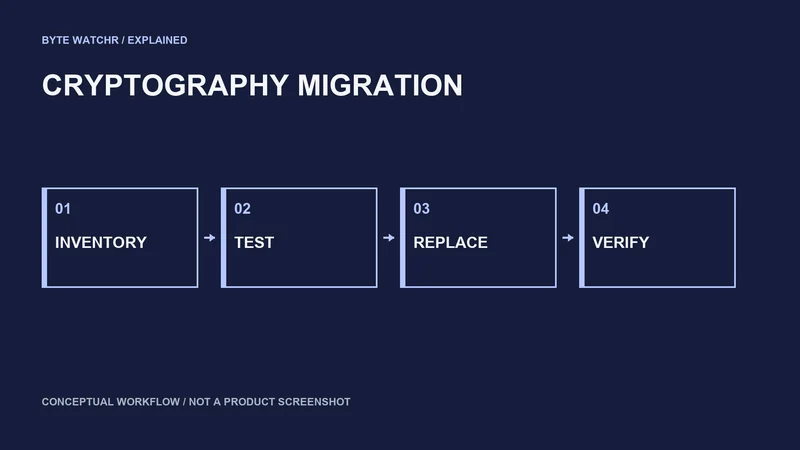
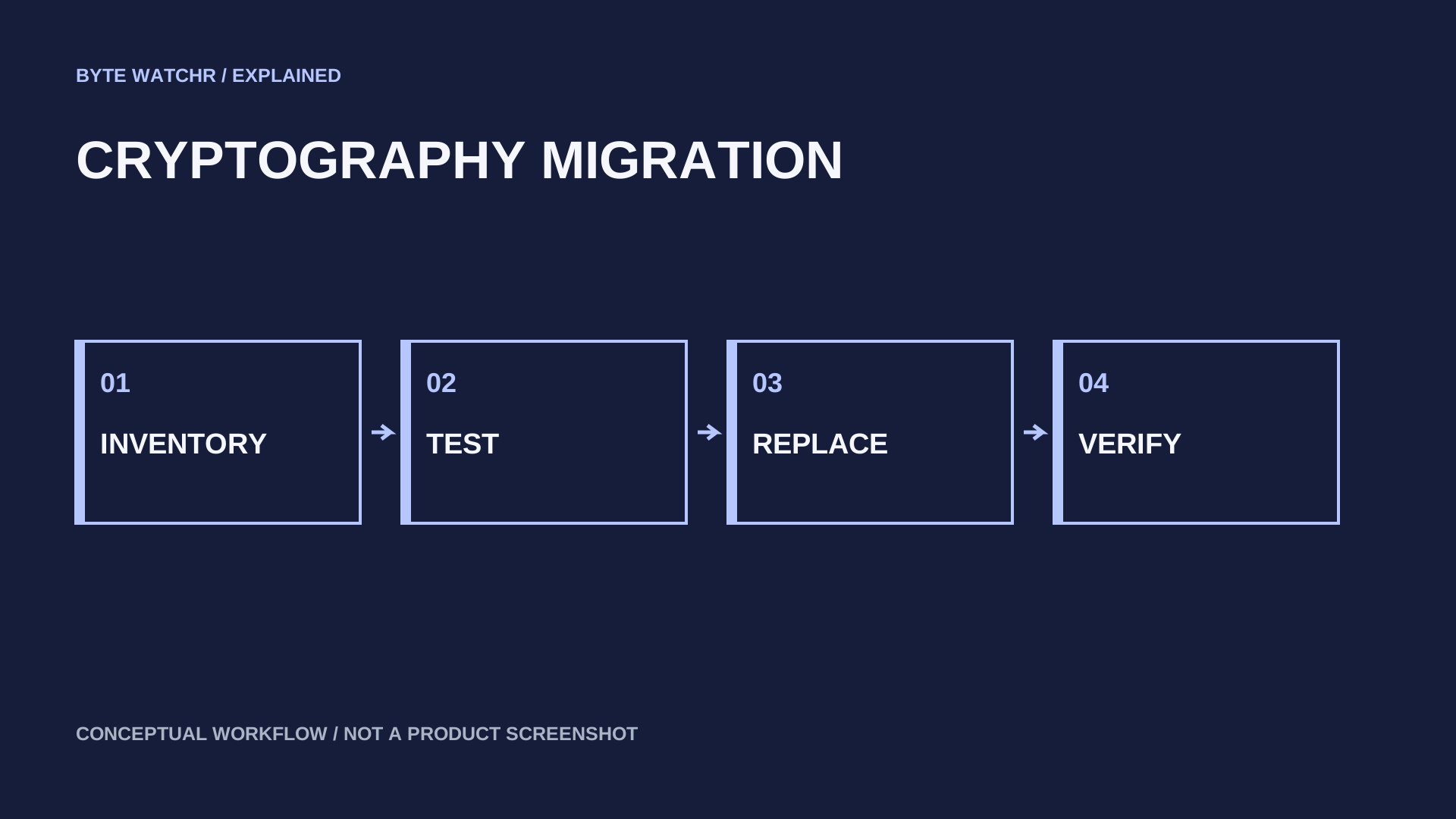
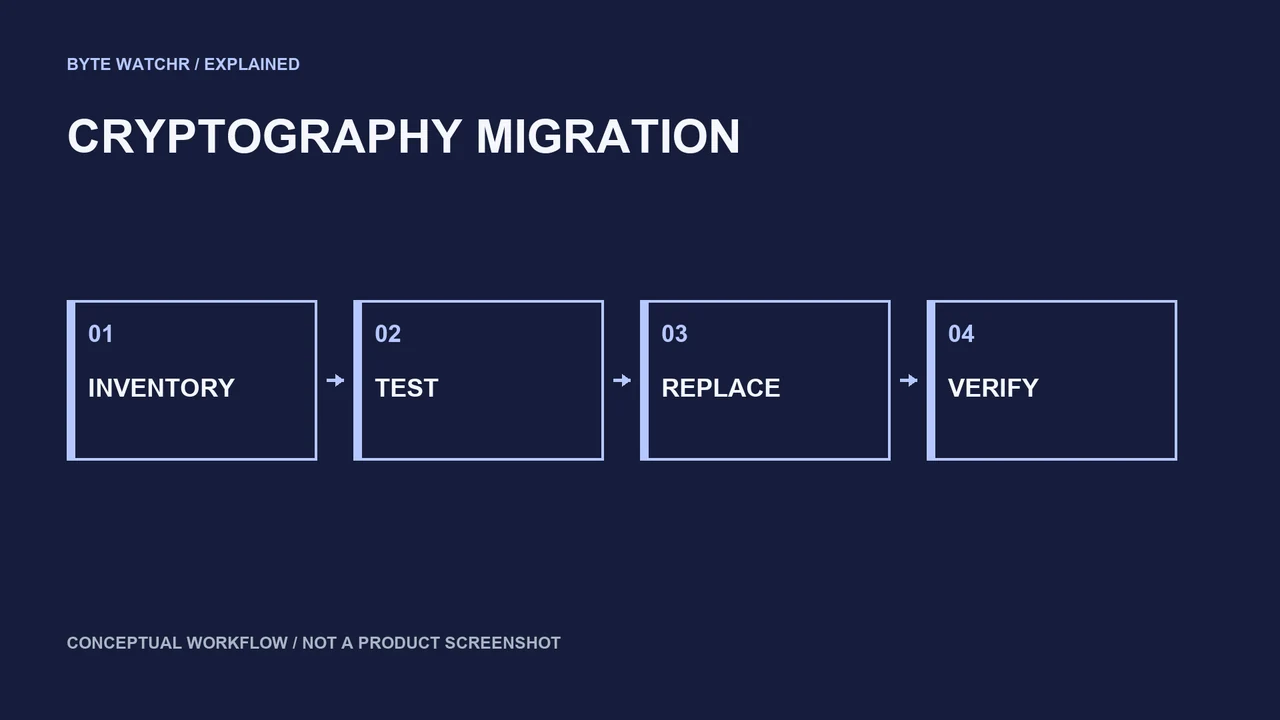
Administrators should inventory clients as well as servers. SSH appears in automation runners, backup systems, developer laptops and appliance management paths. Updating the main bastion does not establish that every file-transfer or remote-command workflow uses the corrected implementation. Package-manager records and distributor advisories provide better evidence than a screenshot of one server’s version string.
Compatibility testing should exercise the operations actually used. Include unattended authentication, certificate handling, proxy hops, SFTP recursion and compressed sessions where applicable. A change in compression effectiveness can affect throughput even when security improves. Measure that effect on representative transfers so that a legitimate behavioral change is not mistaken for a network regression.
Cryptographic migration also requires both endpoints to agree. Enabling a hybrid signature on a new client does not mean an older server or embedded device can negotiate it. Track successful negotiations and rejected algorithms. A fallback policy should be deliberate, documented and narrow rather than silently broadening accepted algorithms to make every old connection work.
Treat the release as a staged transition
Begin with systems that are easy to recover, then advance through operational groups with comparable configurations. Keep an out-of-band recovery method for remote infrastructure before changing its authentication stack. The rollback procedure should restore a working access path without permanently returning the whole fleet to an uncorrected package.
The project’s discussion of faster releases in response to AI-assisted vulnerability discovery also changes maintenance expectations. More frequent updates can reduce the time between discovery and repair, but customers still need a reliable process for reviewing notes and distributing packages. An update channel that nobody monitors does not benefit from a shorter upstream cadence.
Byte Watchr’s assessment is that OpenSSH 10.6 deserves attention as both a security release and a compatibility event. Immediate work is to establish corrected package coverage and test critical access workflows. Longer-term work is to make cryptographic negotiation observable, allowing hybrid adoption to proceed on evidence rather than an assumption that installation alone completes the transition.
Sources & further reading
Factual statements are grounded in the linked material. Interpretation and illustrative examples are Byte Watchr analysis. Vendor claims are identified as claims, rather than independent testing.
The event date records the source announcement or documented operation. The coverage edition groups recent developments and is separate from the publication date. Actual publication is recorded above.
Corrections policy · About this byline