What to know
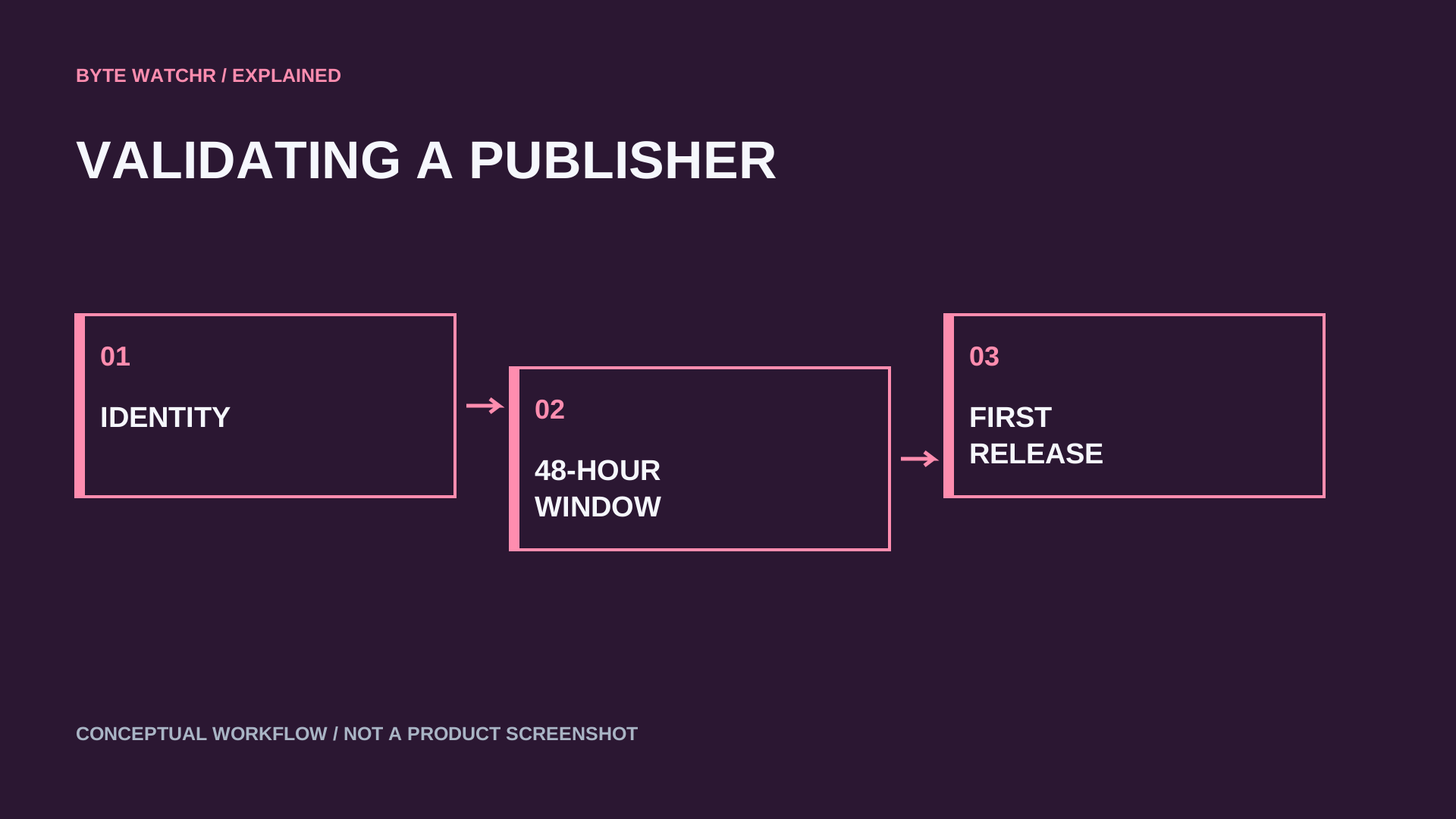
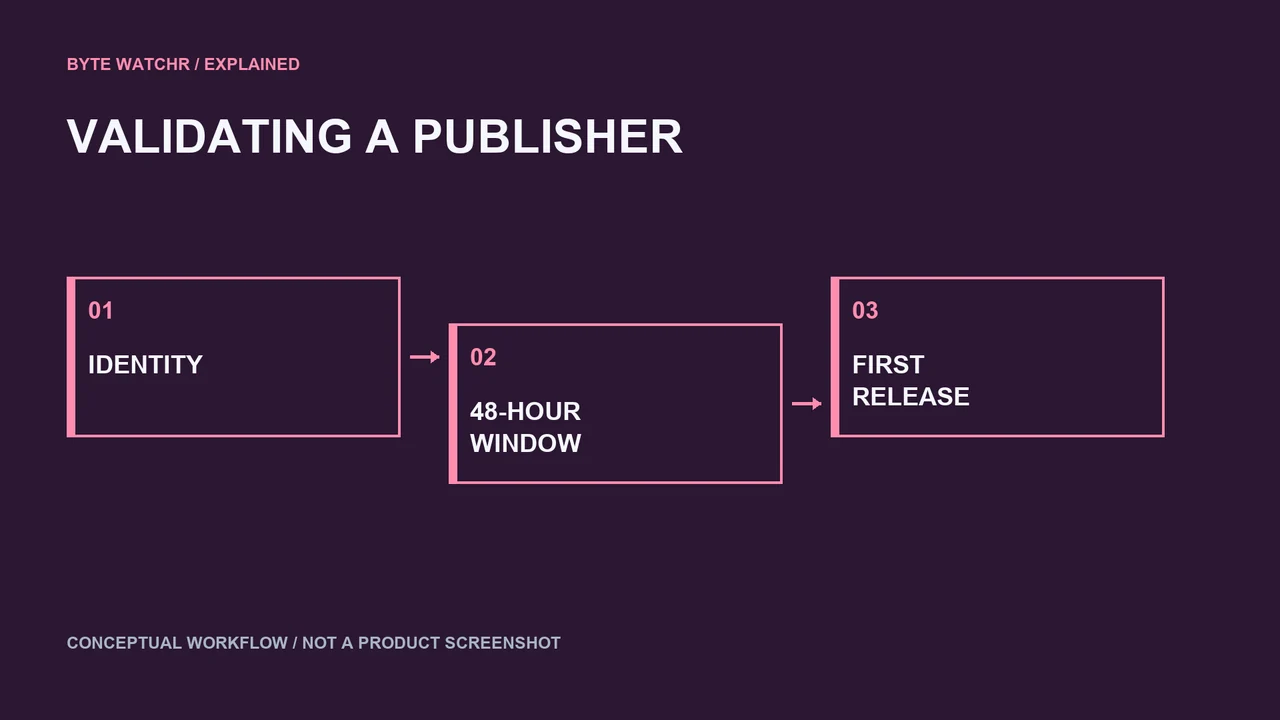
- A new trusted publisher must complete a successful publication within 48 hours.
- Previously validated configurations are exempt from the expiry rule.
- Changing the publisher identity starts a new validation window.
Validation is tied to the publisher identity
GitHub announced changes to npm trusted publishing on October 2. A newly created trusted publisher configuration expires if it does not complete a successful publication within 48 hours. Configurations that have already published successfully are exempt. Changing the publisher identity starts a fresh validation window, while ordinary edits do not restart the timer.
Expired configurations remain visible but cannot publish. They do not count toward configuration limits, and other valid publishers are unaffected. The announcement also blocks OIDC token exchange for workflows triggered by issue_comment, alongside the existing restriction on pull_request_target. Supported triggers include push, release and workflow_dispatch. These changes limit which configured identities and workflow events can obtain publishing credentials.
Source: GitHub: Unvalidated npm trusted publishing configurations now expire
The first release needs an explicit schedule
Maintainers creating a new trusted publisher should plan the first successful publication within the validation window. A release that depends on pending approvals, unavailable reviewers or an unfinished build may need the configuration created later in the process. If it expires, the team should inspect the configuration status and establish a new valid publishing path through the supported controls.
Continuous integration records should distinguish an authorization failure from a packaging or test failure. A workflow can build the correct artifact and still be unable to obtain a registry credential. Clear error classification helps maintainers resolve the actual problem without replacing trusted publishing with an unnecessarily broad persistent token. Release documentation should describe who can change the publisher identity and who verifies the first publication.
After validation, the normal questions of artifact integrity and release review remain. A valid publisher can publish an unwanted package if its workflow is compromised or its release inputs are not checked. The October change closes a specific gap around unused configurations and restricted triggers. It complements review of repository access, build dependencies and the exact artifact sent to npm.
Sources & further reading
Factual statements are grounded in the linked material. Interpretation and illustrative examples are Byte Watchr analysis. Vendor claims are identified as claims, rather than independent testing.
The event date records the source announcement or documented operation. The coverage edition groups recent developments and is separate from the publication date. Actual publication is recorded above.
Corrections policy · About this byline