What to know
- Defense, Red Team and Specialized Access have different requirements.
- Individual researchers can qualify for Defense Access.
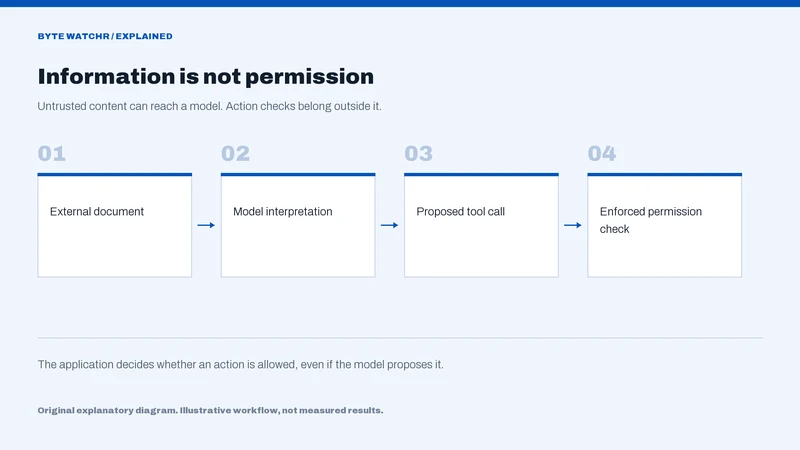
- Model access does not replace authorization for a target.
Three routes into advanced cyber tools
Anthropic expanded its Cyber Verification Program on October 6, creating Defense, Red Team and Specialized Access tiers. Defensive uses include incident response, malware analysis and vulnerability validation. Red Team Access supports authorized penetration testing, while the specialized tier serves a limited group testing sensitive safety systems and incorporates earlier Project Glasswing participants.
The eligibility distinctions matter. Individual researchers can qualify for Defense Access, but Red Team Access currently requires an organization. Verification, security controls and safeguards vary by tier. Access is subject to approval, and data-retention requirements remain relevant. The program is an access framework rather than a general release of every cyber capability to every user.
Measuring defensive value
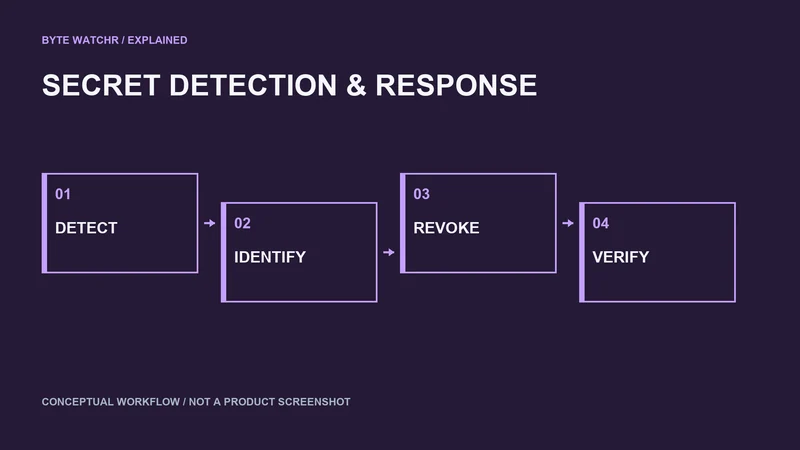
A pilot should follow representative cases through triage, reproduction and remediation. For incident response, that might mean identifying a suspicious process, explaining the evidence and proposing a containment action without inventing missing facts. For vulnerability validation, it means confirming a defect under authorized conditions and producing a repair that survives regression testing.
Those tests should include false positives and ambiguous artifacts. A system that labels every unusual file as malicious can look energetic while consuming analysts’ time. Record which conclusions were supported, which required correction and which could not be established from available evidence. Retain enough context for a reviewer to reconstruct the decision.
Byte Watchr’s assessment is that the tier structure makes access more explicit, but operational governance remains the customer’s responsibility. Teams should map each tier to approved workflows, define who can grant tool access and maintain a path for suspending a session. The relevant outcome is a better verified defense process, not simply a larger set of model permissions.
Sources & further reading
Factual statements are grounded in the linked material. Interpretation and illustrative examples are Byte Watchr analysis. Vendor claims are identified as claims, rather than independent testing.
The event date records the source announcement or documented operation. The coverage edition groups recent developments and is separate from the publication date. Actual publication is recorded above.
Corrections policy · About this byline