What to know
- The mission launches with infrastructure defense and OSS scanning programs.
- Infrastructure support includes models, engineers and threat research.
- OSS Scanner findings reach maintainers without human review.
Two programs with different operational settings
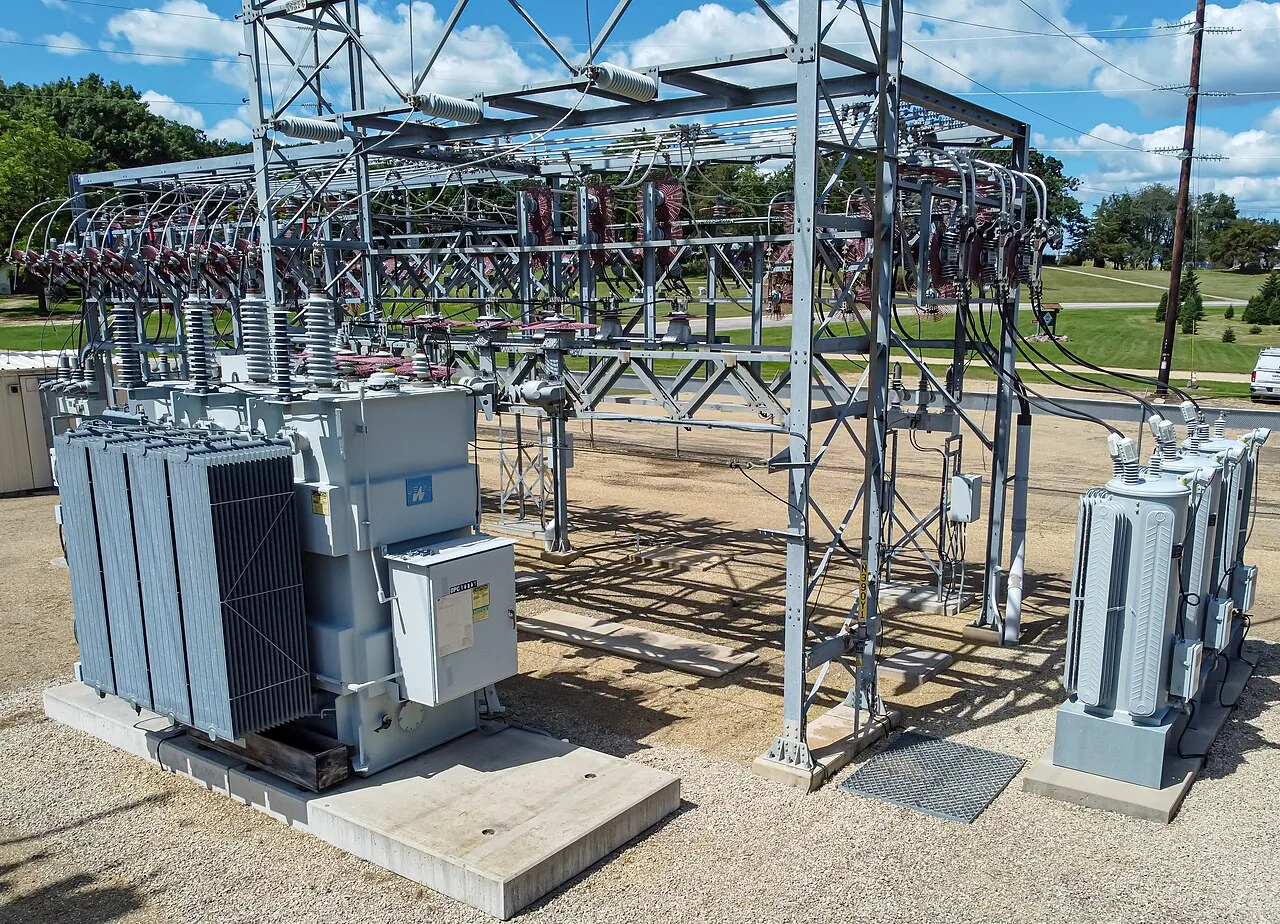
Anthropic launched its Cyber Mission on October 8 with a Critical Infrastructure Defense Program and a free, opt-in OSS Scanner. The infrastructure program offers frontier Claude models, on-site engineers and threat research to providers protecting operational technology. Its eleven founding partners include Dragos, CrowdStrike, Rockwell Automation and Palo Alto Networks.
The scanner delivers periodic findings to enrolled open-source maintainers, including explanations, exploit demonstrations and suggested fixes where available. Those reports are not human-reviewed before delivery. Anthropic’s expected true-positive rate above 90% is a vendor expectation, not evidence that every report is correct or that either program has already reduced incidents.
Operational technology demands a different repair process
A defect in an industrial environment cannot always be handled like a routine application update. Equipment may have narrow maintenance windows, vendor-specific dependencies and safety constraints. A useful finding must be translated into a response that preserves service and avoids introducing a new operational hazard. The engineering support could matter as much as model access in that translation.
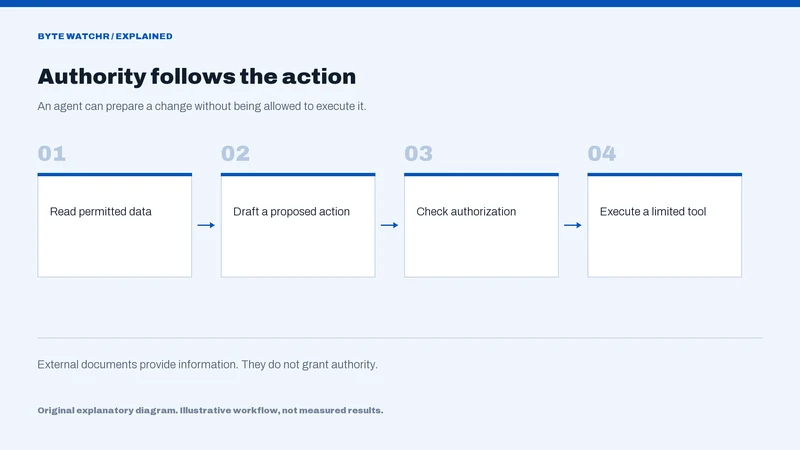
Operators should keep discovery, verification and deployment as separate decisions. An agent might identify a plausible weakness, but reproduction may need a representative test environment rather than a live control system. A proposed fix should be reviewed against the equipment’s operating requirements and recovery options. The existence of a convincing exploit demonstration does not authorize running it against a production process.
Open-source maintainers face a different bottleneck: review capacity. A scanner that sends more findings can help locate overlooked defects, but it can also create a queue of uncertain reports. The receiving project needs enough evidence to reproduce the issue, understand its impact and judge the suggested patch. Automatic delivery makes the quality of those artifacts especially important.
The outcome to measure is verified remediation
A useful program evaluation should follow findings through their full lifecycle. Count reports that were reproduced, repairs that were accepted and releases that reached affected deployments. Also record duplicates, false positives and maintainer or operator time. Raw finding volume alone can reward a system that moves work to already stretched defenders.
The programs should also preserve coordinated disclosure. A vulnerability may affect downstream users who need time to update before technical details become public. Maintainers and infrastructure operators need clear handling rules for sensitive findings, escalation and access to supporting evidence. The speed of discovery should not force an unsafe disclosure or deployment schedule.
Byte Watchr’s assessment is that the mission connects frontier AI with two areas where defensive capacity is limited and consequences can be broad. Its promise will be tested by verified fixes and resilient operations. The launch supplies resources and a delivery model; evidence of sustained security improvement will require transparent follow-through beyond the first set of scans.
Sources & further reading
Factual statements are grounded in the linked material. Interpretation and illustrative examples are Byte Watchr analysis. Vendor claims are identified as claims, rather than independent testing.
The event date records the source announcement or documented operation. The coverage edition groups recent developments and is separate from the publication date. Actual publication is recorded above.
Corrections policy · About this byline