What to know
- Selected API models offer watermarking through an opt-in setting.
- Eligible EU ChatGPT and Codex output will receive watermarks over coming weeks.
- Initial text detector access is restricted to approved researchers and organizations.
Generation and detection follow different release paths
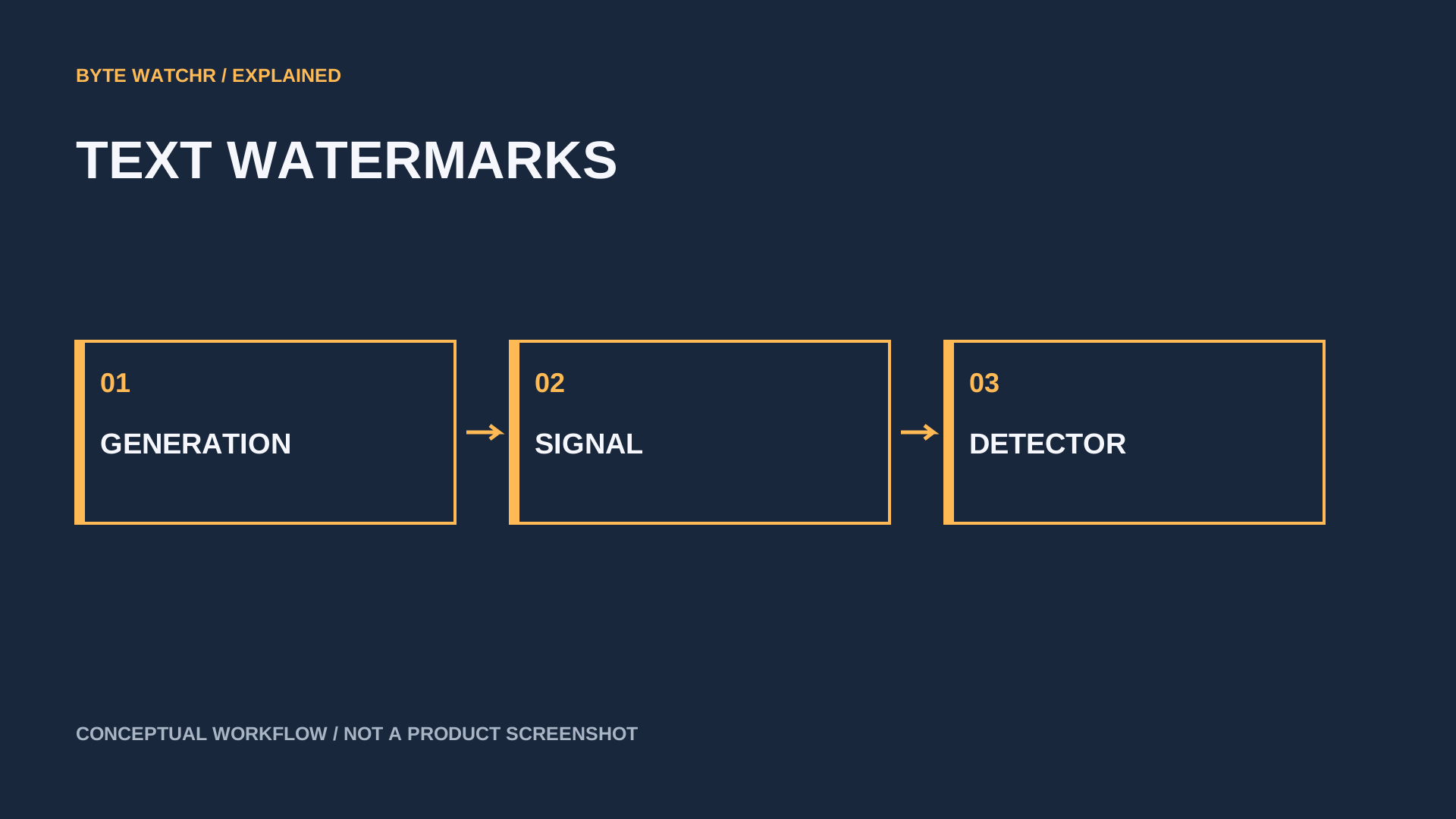
OpenAI announced its textGrain text-watermarking approach on October 5. API customers globally can opt in for selected models, with watermarking remaining off by default. Over the coming weeks, the company plans to add watermarks to eligible ChatGPT and Codex text output in the European Union. It describes the regional rollout as a response to EU text provenance requirements.
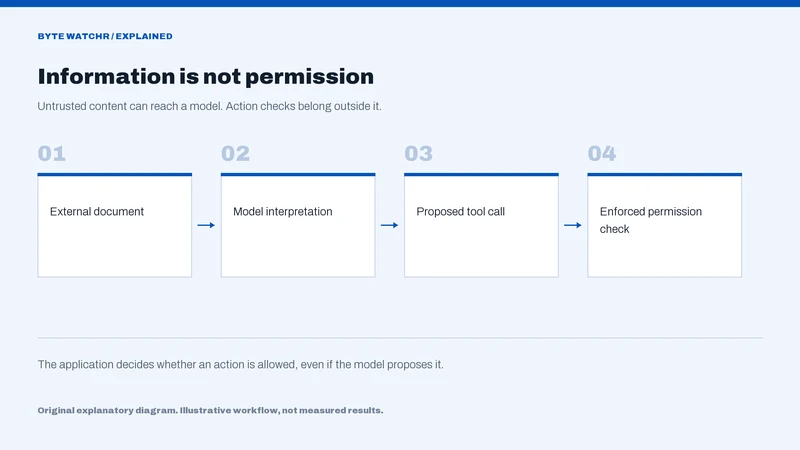
The watermark is a statistical signal in word choices. Initial detector access is limited to approved researchers and expert organizations. OpenAI’s reported tests show that text length, subject matter and editing affect detection. A detected signal does not establish accuracy, identify the user or measure the amount of human contribution. A missing signal does not prove human authorship.
Analysis: A provenance signal needs careful handling
A document can pass through several people and tools before it reaches a reader. One person may supply its facts, a model may reorganize the wording, and an editor may revise the final draft. A signal associated with model processing cannot reconstruct that complete history. A publisher or employer still needs its own record of responsibility and review.
Detection errors matter because the same technical result can be used for very different decisions. A research evaluation might tolerate a known error rate while comparing batches of text. An individual authorship accusation requires a different evidentiary standard. Treating a detector result as a definitive account of someone’s behavior would give the signal more authority than the announcement supports.
The absence of a signal also needs context. Short excerpts, translated passages and edited drafts may differ from the conditions used in a provider’s tests. Systems built around detection should retain the relevant text and the detector version, along with the conditions and uncertainty attached to the result. A binary label without that record is difficult to assess later.
Applications need a defined use for the signal
For an API customer, opting in is a product-design decision as well as a technical setting. The team should know which outputs are covered, how the choice is communicated and what happens when generated material is subsequently edited. A workflow that depends on detection needs an alternative when the signal cannot be interpreted reliably.
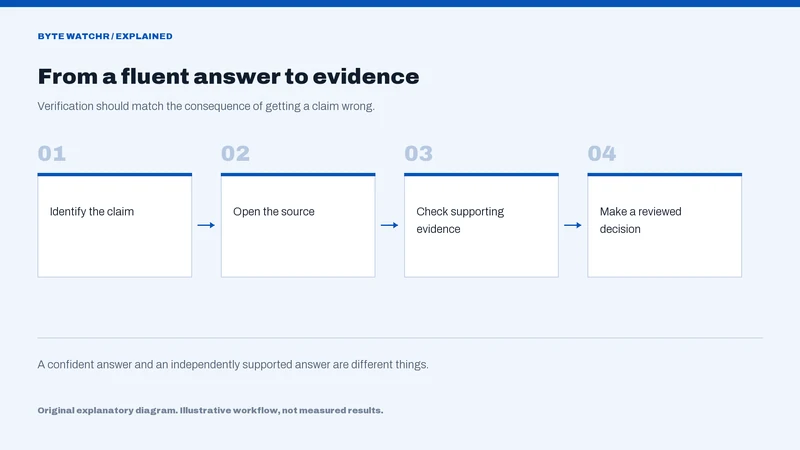
Organizations can also keep provenance records alongside documents rather than relying on the text alone. A source list, revision history and named reviewer address questions that a watermark does not answer. Those records are especially useful when accuracy matters, because they connect a claim to the evidence and judgment behind it.
The announcement introduces a new text-provenance mechanism with a staged deployment. Its usefulness will depend on measured reliability and the decisions applications attach to it. Readers should evaluate the signal within its stated limits and preserve independent evidence about who reviewed a document and whether its contents are supported.
Sources & further reading
Factual statements are grounded in the linked material. Interpretation and illustrative examples are Byte Watchr analysis. Vendor claims are identified as claims, rather than independent testing.
The event date records the source announcement or documented operation. The coverage edition groups recent developments and is separate from the publication date. Actual publication is recorded above.
Corrections policy · About this byline