What to know
- Execution Containers is generally available.
- Process containment supports Windows, macOS and Linux.
- MicroVM support remains experimental.
A policy layer around execution
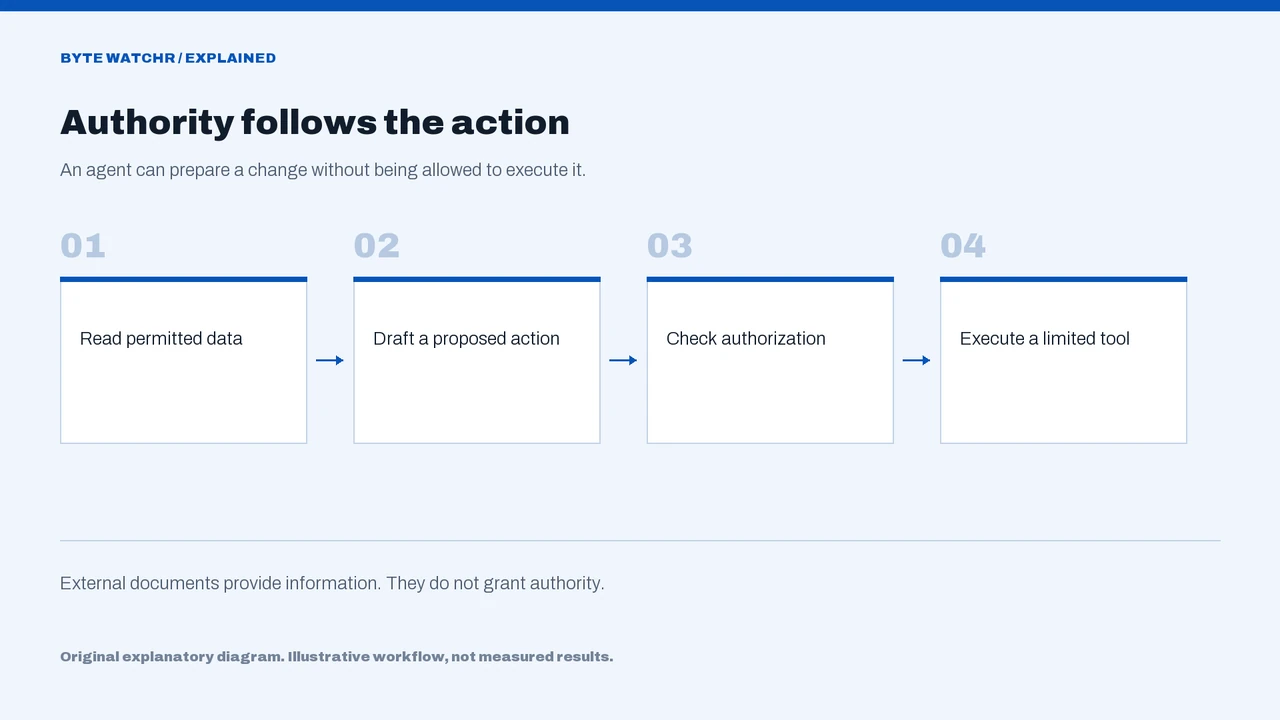
Microsoft made Execution Containers generally available on October 7. The system contains agent workloads and dynamically generated code using policies that specify permitted files, network destinations and other resources. A common JSON schema and SDK describe the boundary, while platform mechanisms enforce it outside the agent’s control.
Process backends use AppContainer on Windows, Seatbelt on macOS and Bubblewrap on Linux. Windows also supports session and WSL containers, and Windows 365 support is generally available. MicroVM support remains experimental. Planned identity and management enhancements should not be described as complete, and the containment properties differ across the available backends.
Source: Microsoft: Execution Containers
Test prohibited behavior as well as useful work
A successful demonstration shows that an agent can finish an allowed task. A security evaluation should also show that disallowed behavior fails. Tests can include reading outside permitted paths, contacting an unapproved destination and attempting to use credentials not assigned to the workload. Record the active policy and resulting denial so that the boundary is reviewable.
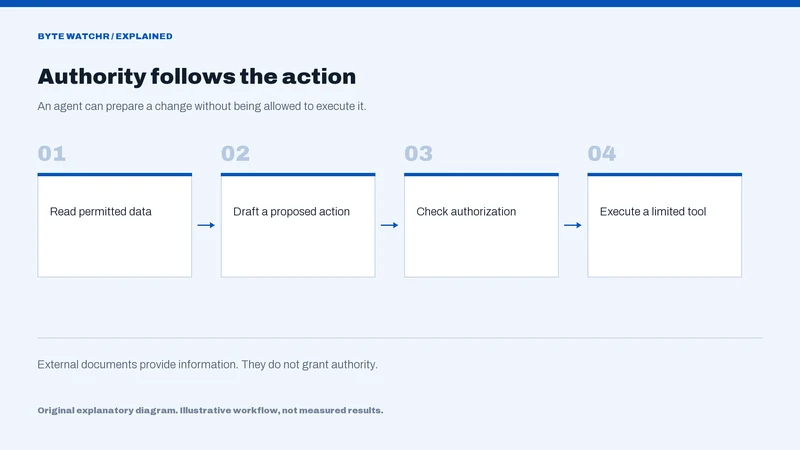
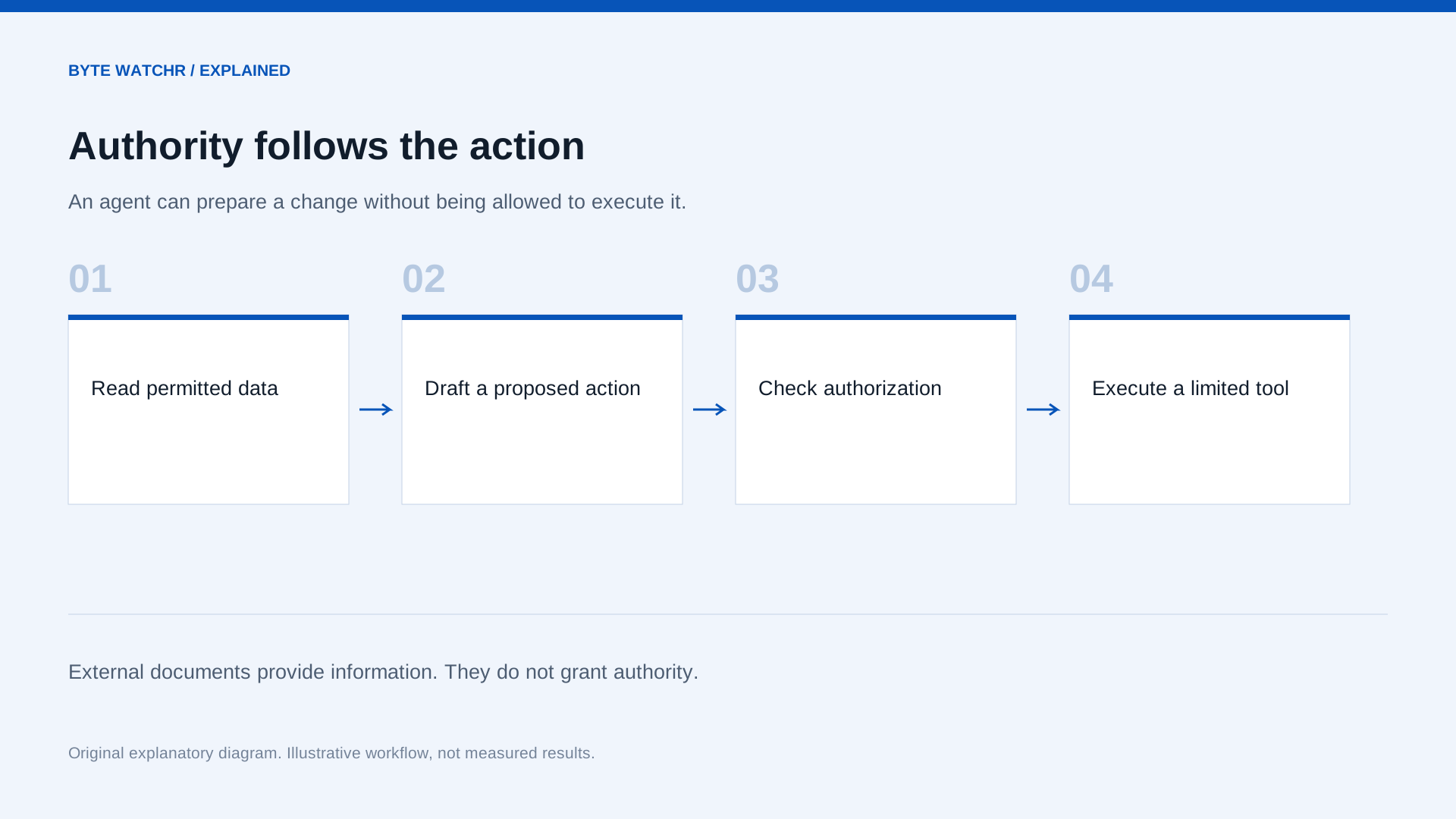
Recovery matters when a task stops partway through. A container can limit where code runs while the code still changes an allowed repository or dataset. Applications should retain transaction, backup or review mechanisms appropriate to those changes. Containment reduces the scope of authority; it does not guarantee that every permitted action is correct.
Byte Watchr’s assessment is that general availability makes Execution Containers a practical component for agent developers. The strongest use is a narrowly configured execution boundary with observable enforcement. Teams should select the backend by required properties, test those properties directly and keep experimental or planned capabilities out of their current production guarantees.
Sources & further reading
Factual statements are grounded in the linked material. Interpretation and illustrative examples are Byte Watchr analysis. Vendor claims are identified as claims, rather than independent testing.
The event date records the source announcement or documented operation. The coverage edition groups recent developments and is separate from the publication date. Actual publication is recorded above.
Corrections policy · About this byline