What to know
- Data-center growth has become an issue in Ohio’s 2026 campaigns.
- Supporters emphasize investment and competition while critics point to power and land impacts.
- Credible projects need transparent local cost, capacity and benefit estimates.
A technology buildout enters ordinary politics
The Associated Press reported on October 4 that President Donald Trump defended data-center development during an Ohio campaign rally, arguing that opposition could push investment toward China. The projects have become controversial because residents and political opponents question their effect on electricity costs, farmland and local infrastructure. The debate is tied to a competitive Senate race, but the underlying questions extend beyond one election.
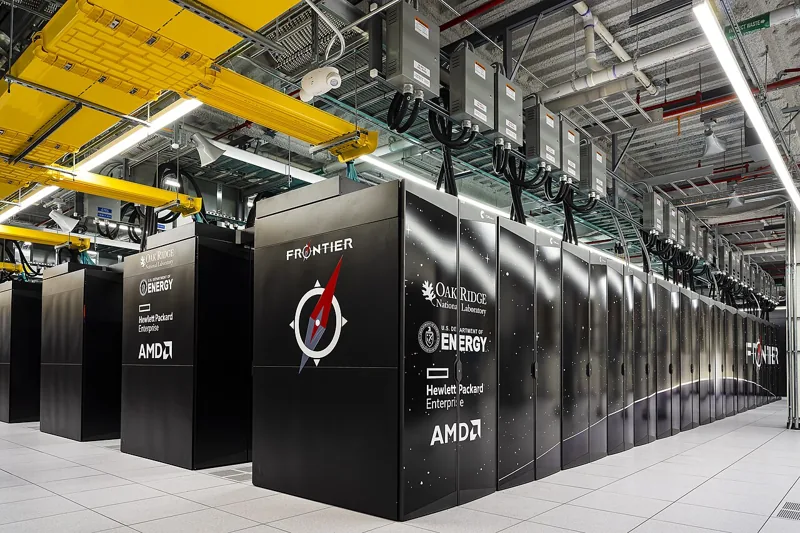
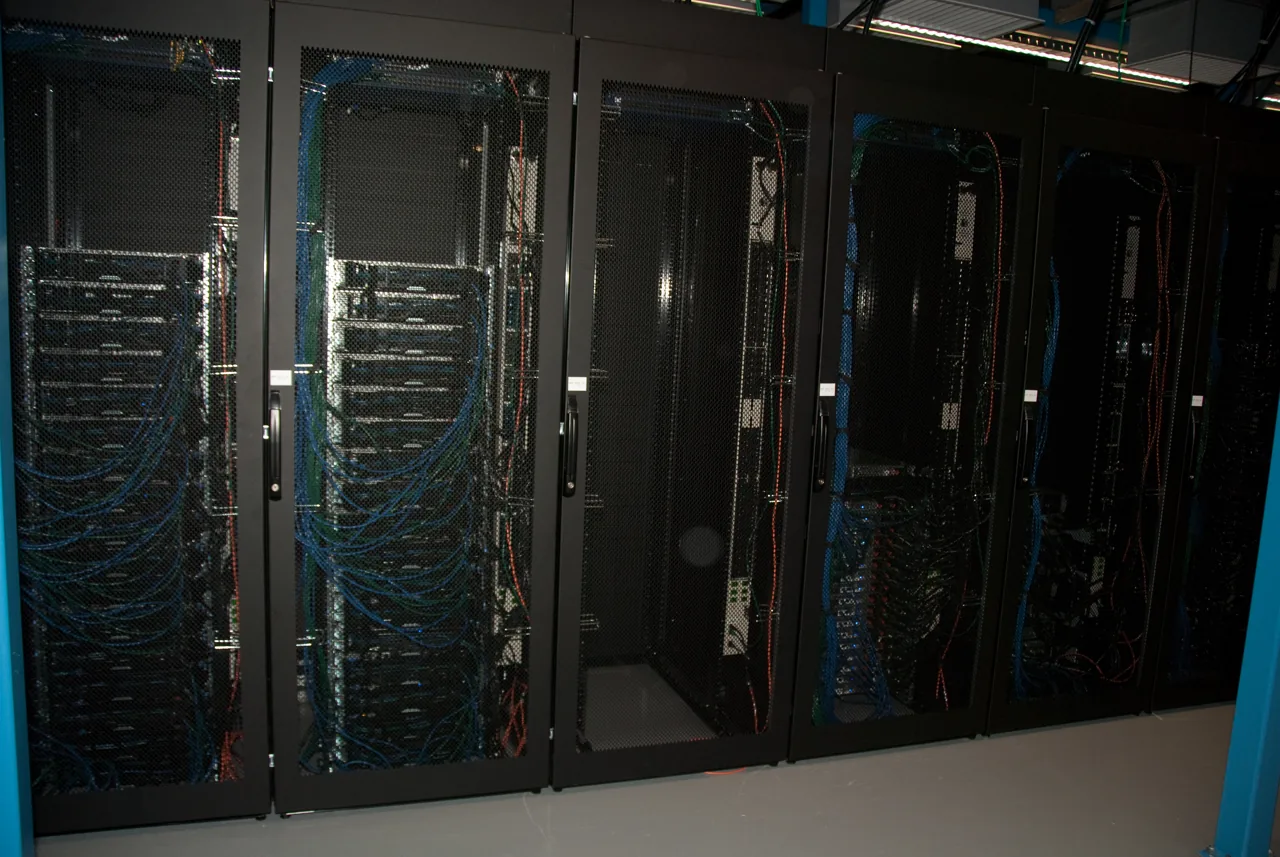
Data centers translate the abstract growth of AI and cloud services into substations, transmission lines, water systems, tax agreements and construction. Communities experience those physical requirements long before they see any productivity gain from a new model. Supporters can point to investment and jobs. Critics can ask who pays for grid upgrades, how permanent employment compares with construction work and whether promised benefits are enforceable.
Analysis: National strategy lands on local balance sheets
A national argument about competing with China does not answer local allocation questions. Utilities still need to decide how capacity is financed and how new load affects other customers. Counties still need to value land, infrastructure and tax incentives. A project can be strategically important and poorly structured for its host community at the same time.
The rapid growth of AI workloads makes forecasting difficult. A developer may request enormous capacity while hardware efficiency, model economics and customer demand continue to change. Overbuilding can strand infrastructure; underbuilding can constrain other development. Transparent scenarios are more credible than one precise promise. They should show who bears risk if demand, construction cost or energy price differs from the headline case.
What a better public decision would disclose
Communities need estimates for peak power, annual consumption, water use, construction schedules and permanent staffing. They also need the terms of tax incentives and utility upgrades, including which costs are recovered from the project and which are spread across ratepayers. Commercial confidentiality should not erase the public economics of a public decision.
Environmental review should account for the actual generation mix and transmission constraints rather than treating electricity as an unlimited input. Reliability plans should explain how large flexible loads respond during grid stress. Where operators can shift workloads or use stored energy, those capabilities should be documented instead of assumed.
The Ohio debate marks a shift in AI politics. Models are discussed as software, but their scale depends on physical systems and public permissions. The next phase of AI infrastructure will be judged not only by benchmark performance or capital invested. It will be judged by whether communities can see the costs, negotiate the benefits and hold developers to the terms under which projects were approved.
Sources & further reading
Factual statements are grounded in the linked material. Interpretation and illustrative examples are Byte Watchr analysis. Vendor claims are identified as claims, rather than independent testing.
The event date records the source announcement or documented operation. The coverage edition groups recent developments and is separate from the publication date. Actual publication is recorded above.
Corrections policy · About this byline