What to know
- Surface Laptop Ultra and RTX Spark Dev Box are open for preorder.
- Configurations offer up to 128GB of unified memory.
- Laptop availability starts October 16; the Dev Box is scheduled for November.
A new local-compute option
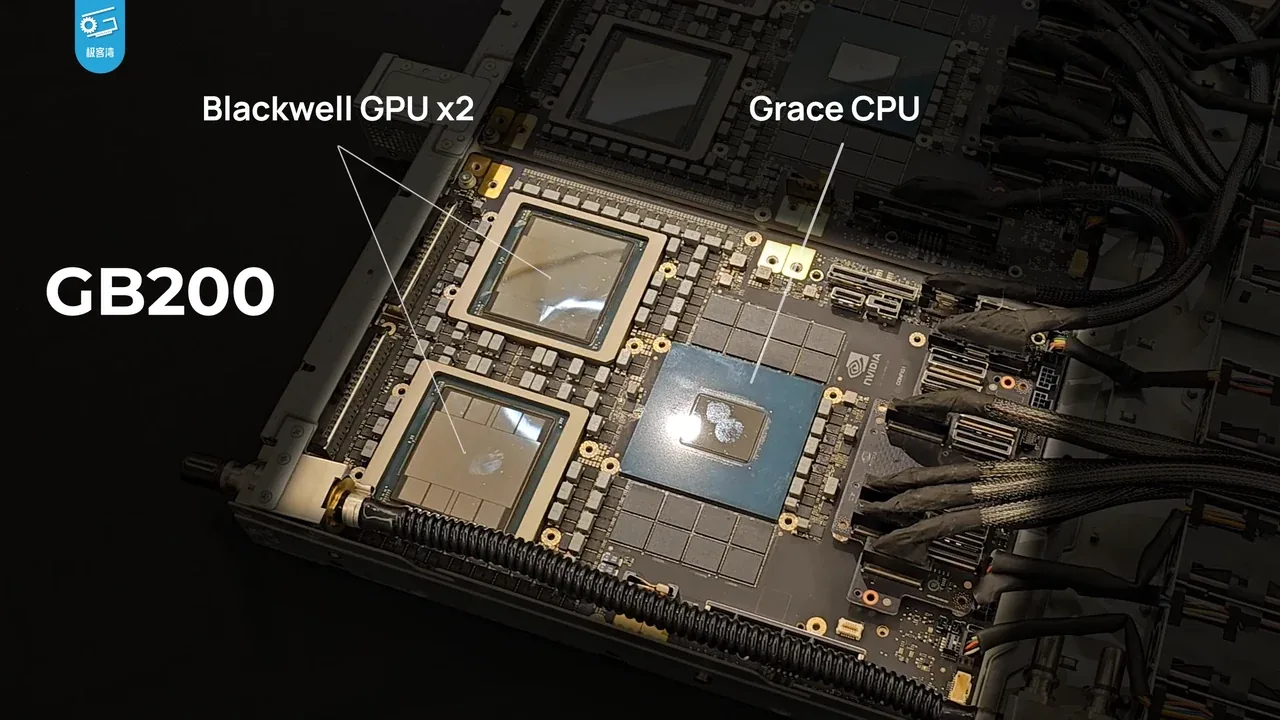
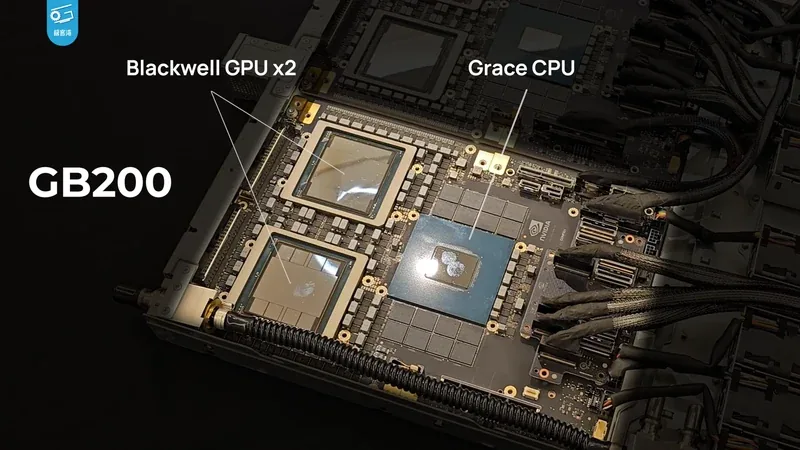
Microsoft opened preorders on October 7 for Surface Laptop Ultra and Surface RTX Spark Dev Box. Both use NVIDIA’s RTX Spark Superchip, combining a Grace CPU with Blackwell RTX graphics. The systems offer configurations with up to 128GB of unified memory and target developers, creators and AI engineers running workloads locally.
The laptop starts at $2,599, with availability beginning October 16. The $5,999 Dev Box is initially offered through Microsoft’s US store and is scheduled to ship in November. These are preorder and shipment milestones, not evidence of delivered performance. Total shared memory is also not equivalent to memory available exclusively for a model.
Local capacity is a workload question
Model weights are only one part of memory demand. Runtime state, context, caches, the operating system and other applications also consume resources. A claim that a machine can run a model of a certain size needs an accompanying configuration and performance standard. Loading a model successfully does not establish that it answers quickly enough for an interactive workflow.
Prospective users should test the complete task they intend to move locally. That could include retrieval, image input, code execution and several agent steps. A short prompt benchmark may overlook the cost of large context or concurrent work. Record latency, sustained performance and resource use after the system has been active long enough to represent an ordinary session.
The local route can also change data handling. Keeping inference on a device may reduce some transfers, but connected tools, telemetry and cloud fallbacks can still send information elsewhere. Applications should make those paths visible. Hardware capacity alone does not establish that an entire workflow remains offline or meets an organization’s data requirements.
Compare finished work, not peak specifications
A useful purchase comparison considers the workload’s frequency and duration alongside acquisition cost. Some tasks benefit from immediate local access, while others need occasional bursts of larger capacity. Teams should evaluate how often the device would be used, how it is maintained and whether its configuration fits the software they already operate.
Compatibility is another practical checkpoint. Development tools and model runtimes need to support the platform’s architecture and acceleration path. A prepared environment can simplify setup, but organizations should verify their required dependencies and update process. A demo using a vendor-selected stack cannot establish compatibility with every existing project.
Byte Watchr’s assessment is that the Surface announcements expand the range of local AI systems available to developers. Their value will be determined by sustained task performance and a workable software environment. Preorders provide an availability signal, while shipment, independent testing and real deployment results remain the next evidence for deciding where these machines fit.
Sources & further reading
Factual statements are grounded in the linked material. Interpretation and illustrative examples are Byte Watchr analysis. Vendor claims are identified as claims, rather than independent testing.
The event date records the source announcement or documented operation. The coverage edition groups recent developments and is separate from the publication date. Actual publication is recorded above.
Corrections policy · About this byline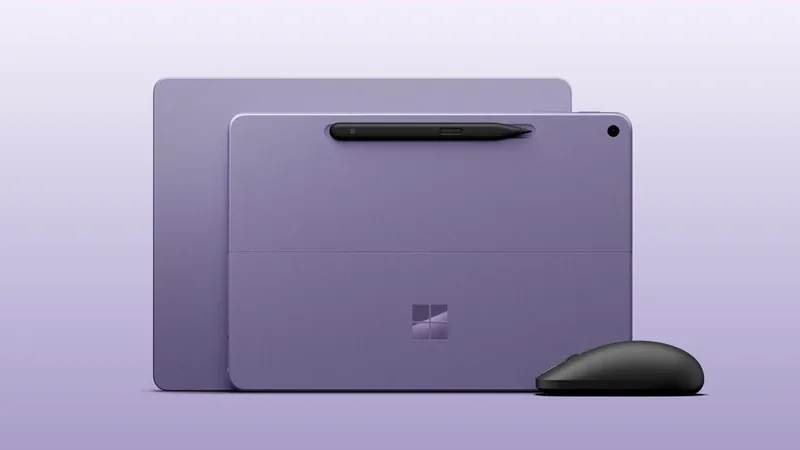

_07.png)