What to know
- NVIDIA identifies Blackwell as the hardware behind Astra Ultrafast.
- The announced speedup concerns token generation.
- End-to-end task latency needs a separate measurement.
A faster inference path
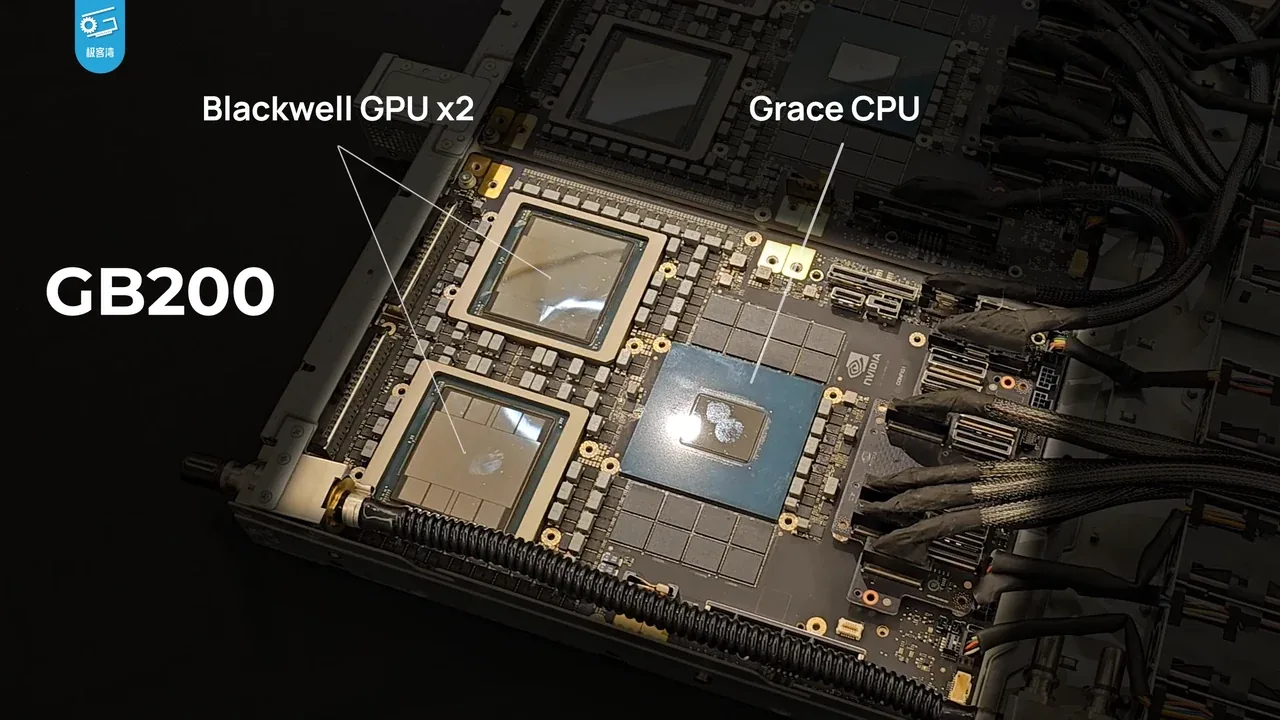
NVIDIA said on October 1 that GPT-6 Astra Ultrafast runs on Blackwell GPUs and offers up to eight times faster token generation than Astra Standard mode. The company reports availability through the OpenAI API and for eligible ChatGPT Work and Codex users. Its account attributes the gain to continuing optimization of inference software as well as the hardware platform.
The claim is specific to generation speed. It should not be read as a promise that a coding assignment, research session or business process will finish eight times sooner. Those activities contain work outside the model, and the share of time spent in each component varies substantially between tasks.
Where faster output can change a workflow
Consider an agent that edits a file, runs a test and revises the change. If each model response takes much of the total time, accelerating those responses can make the loop materially shorter. If the test itself takes several minutes, the same improvement in generation may have a smaller effect on completion time. Both outcomes are consistent with a faster inference engine.
The distinction suggests a straightforward evaluation design. Record the time to the first useful output, the time spent generating later output, tool execution, queueing and review. Repeat comparable tasks under the same conditions. That makes it possible to identify whether a new mode is reducing the delay users actually experience or merely improving one component of it.
Quality should remain part of the comparison. A faster stream of text is not a better result if the application requires more retries or a larger correction afterward. For a coding workflow, an accepted change with passing checks is a stronger endpoint than the moment the model stops writing. For an interactive assistant, interruption handling and response correctness also belong in the test.
Infrastructure efficiency needs workload context
Byte Watchr’s assessment is that faster inference is most valuable when the surrounding application can use the saved time. A team might choose to return an answer sooner, run another verification step or process more simultaneous requests. Each choice creates a different performance objective and may change capacity planning.
Procurement comparisons should therefore report throughput and latency together. A system serving many users at once can behave differently from an isolated demonstration. Buyers also need to understand the price of the selected mode and any access constraints before translating a speed claim into a budget or service commitment.
The announcement supplies a concrete hardware and software explanation for the new mode. It leaves the practical gain for each deployment to be measured against its own workload. That is the relevant next step for developers deciding where lower generation latency changes the product and where another bottleneck remains dominant.
Sources & further reading
Factual statements are grounded in the linked material. Interpretation and illustrative examples are Byte Watchr analysis. Vendor claims are identified as claims, rather than independent testing.
The event date records the source announcement or documented operation. The coverage edition groups recent developments and is separate from the publication date. Actual publication is recorded above.
Corrections policy · About this byline


_07.png)