What to know
- The refresh covers Surface Pro 12-inch and Surface Laptop 13-inch.
- Microsoft attributes the update to Snapdragon X2 Plus.
- Published performance gains are vendor claims tied to specific tests.
A processor update in portable formats
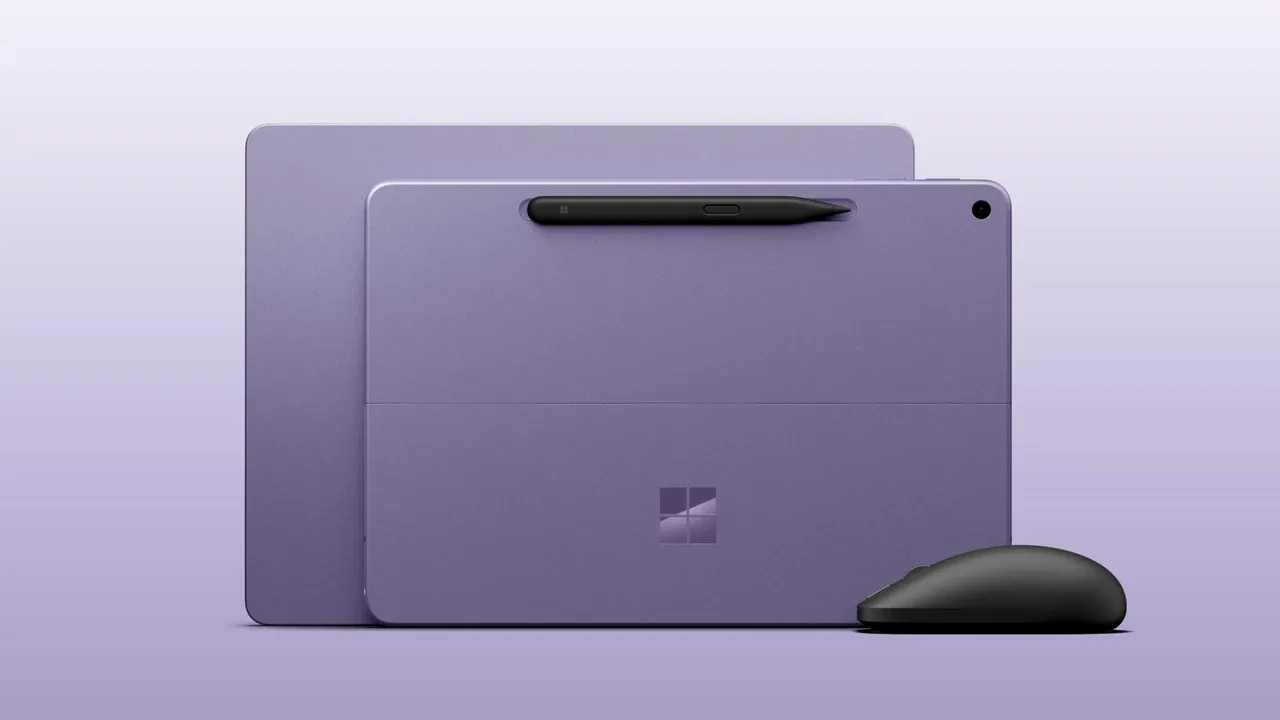
Microsoft announced new Surface Pro 12-inch and Surface Laptop 13-inch models with Snapdragon X2 Plus on September 23. The announcement also includes a Surface Mouse with haptic feedback. Microsoft reports improvements in graphics, battery efficiency and local AI inference compared with earlier devices, with the comparisons tied to its stated test conditions.
These figures provide a starting point for evaluating the refresh, rather than an independent verdict on everyday performance. Buyers need to match the tested configuration and workload to the software they actually use. A gain in one benchmark does not establish an equivalent gain across all applications.
Source: Microsoft: Compact Surface devices with Snapdragon X2 Plus
Compatibility remains a workload question
A portable computer is useful only if its required software and peripherals work reliably. For an organization, that can include authentication tools, specialized drivers, remote-access software and internal applications. A standard productivity benchmark may not exercise any of those dependencies, even when it accurately measures the task it was designed to test.
A representative trial should therefore begin with the essential workflow. The tester should complete the same work expected of the eventual user, including external displays, conferencing and any required security configuration. That provides a clearer basis for a buying decision than assuming that a processor-family improvement resolves every application concern.
Battery evaluation needs similar context. Screen brightness, network activity, video calls and background processes can change consumption. A device that performs well in a controlled benchmark may produce a different result under a user’s normal mix of tasks. Reporting the workload and conditions makes a comparison more useful than a single maximum runtime.
Local AI needs application-level evidence
Byte Watchr’s assessment is that a faster neural-processing unit matters when an application can use it effectively. The presence of dedicated hardware does not establish which features run locally, which contact a cloud service or whether a particular model is supported. Those are questions about the software path as well as the chip.
A privacy assessment should follow the actual data flow. If a feature sends part of a request to a remote service, the device’s local inference capability does not by itself make the complete interaction local. Users and administrators need a clear account of where processing occurs and which controls govern any transfer.
The Surface refresh offers another set of compact Windows devices built around newer Arm-based silicon. The practical comparison should combine compatibility, sustained performance, battery behavior and the features the buyer intends to use. Independent workload testing can then determine where the announced improvements change the experience and where another constraint remains more important.
Sources & further reading
Factual statements are grounded in the linked material. Interpretation and illustrative examples are Byte Watchr analysis. Vendor claims are identified as claims, rather than independent testing.
The event date records the source announcement or documented operation. The coverage edition groups recent developments and is separate from the publication date. Actual publication is recorded above.
Corrections policy · About this byline