What to know
- Haiku 5.5 introduces adjustable effort to the Haiku family.
- Prompts above 100,000 tokens use a different price schedule.
- Production comparisons need to include retries and review time.
A smaller model with a new control
Anthropic released Claude Haiku 5.5 on October 7, adding adjustable effort to its smaller model family. The company positions it for summaries, classification, database queries and coding subagents. For prompts up to 100,000 tokens, listed prices are $0.10 per million input tokens and $0.50 per million output tokens. Longer prompts have higher rates. Access spans the Claude Platform and major cloud providers.
That combination creates a practical routing decision. A team can decide how much reasoning a request receives as well as which model receives it. Anthropic’s speed and savings comparisons remain vendor measurements, however. They do not establish the cost or accuracy of a particular business process with its own records, exceptions and acceptance criteria.
Effort belongs in the evaluation
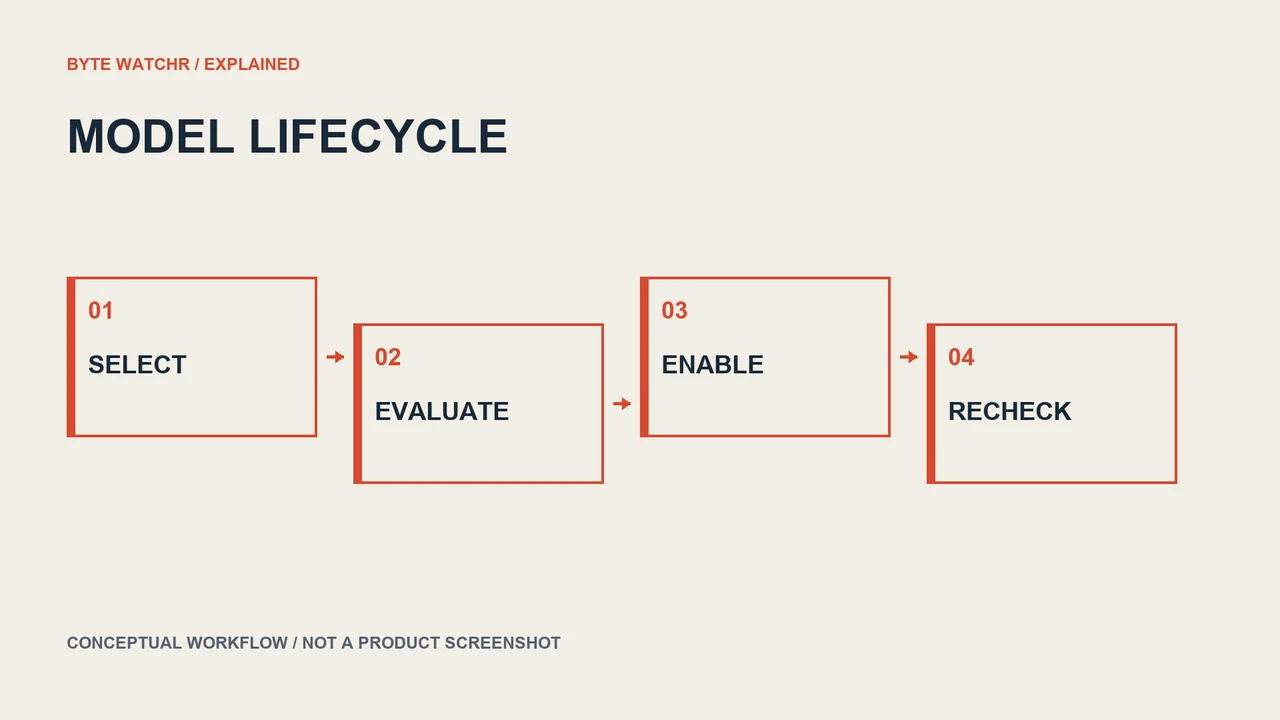
A useful test should separate routine requests from cases that need judgment. Classifying a familiar support ticket and interpreting an ambiguous contractual instruction are different workloads. Applying one effort level across both can waste compute on easy cases or create avoidable mistakes on difficult ones. Teams need examples of each, including cases where the correct response is to ask for clarification.
The comparison should count accepted outcomes rather than raw responses. A cheap first answer that causes another model call, a failed tool operation and manual correction may cost more than a stronger initial attempt. Record the number of retries, latency through the entire workflow and human minutes spent resolving uncertainty. Those measures expose where a lower token rate actually changes the operating budget.
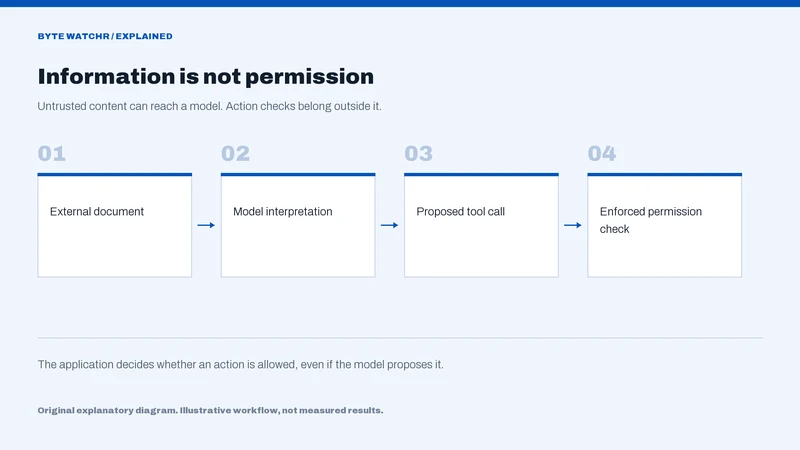
Routing also needs a fallback rule. A model should escalate when required information is missing or when a tool result contradicts its answer. Quietly choosing a higher effort level cannot recover a document that was never supplied. The evaluation should distinguish reasoning failures from access failures so that infrastructure defects do not become misleading model comparisons.
A controlled migration
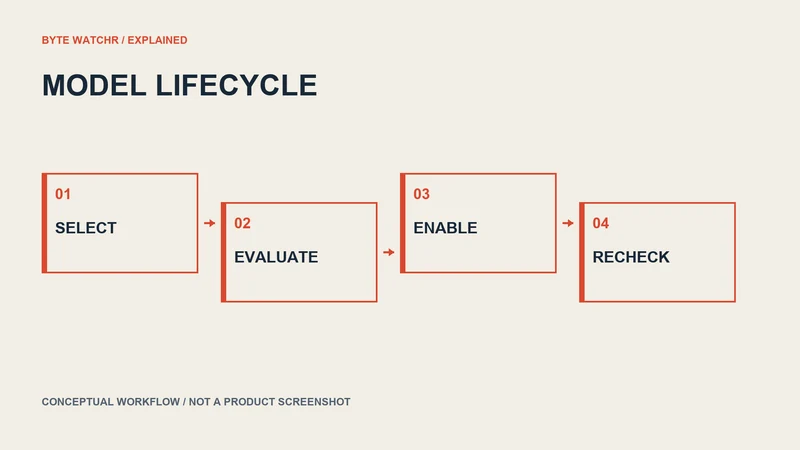
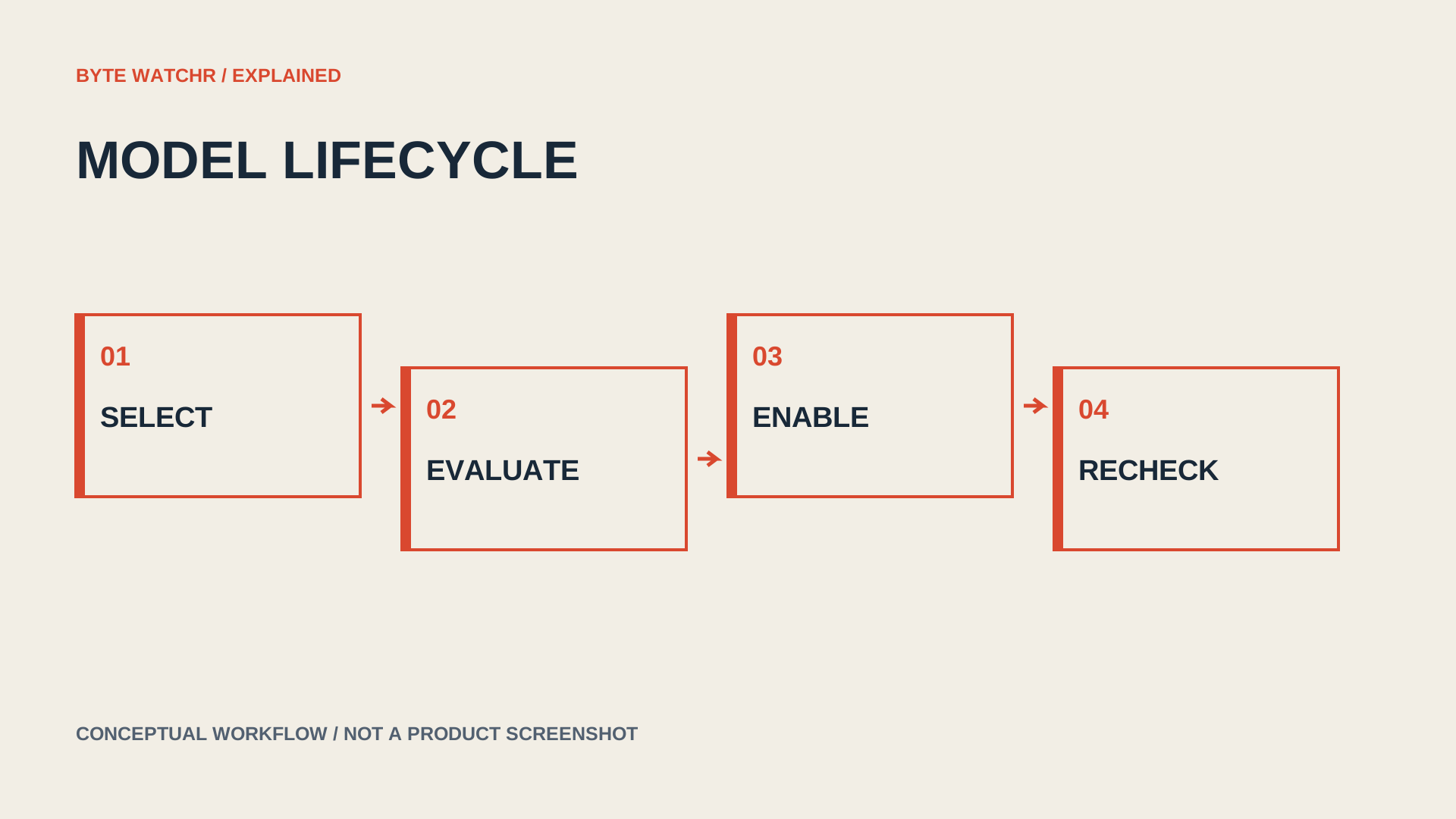
Developers can begin with a narrow, reversible workload and retain the current route as a comparison. Version the prompt, effort setting, model identifier and input preparation together. Otherwise a later change in quality can be difficult to trace to the model, the instructions or the data pipeline.
Budget controls should include context size. The short-prompt headline rate does not describe every request, and long conversations can grow across repeated agent steps. Log billable input and output at the workflow level rather than relying on an average request estimate prepared before deployment.
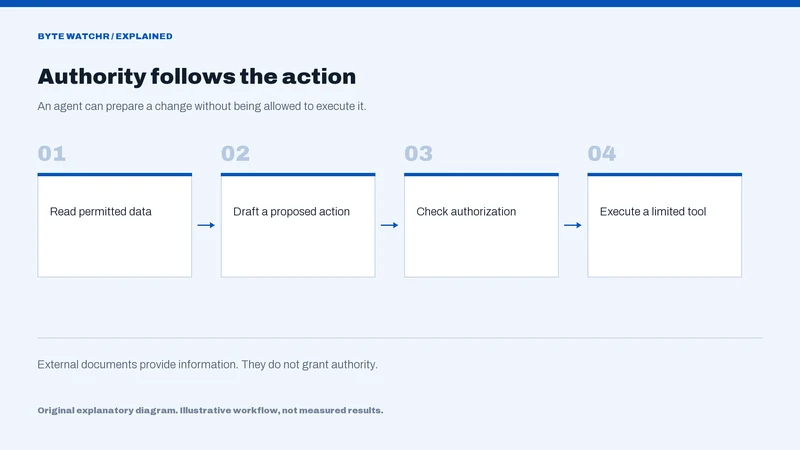
Byte Watchr’s assessment is that adjustable effort makes smaller models more useful as configurable components. The strongest evidence will be stable task completion under realistic limits. Haiku 5.5’s launch supplies an option to test; the decision to expand its role should follow measured outcomes, especially wherever generated code or a database query can change persistent state.
Sources & further reading
Factual statements are grounded in the linked material. Interpretation and illustrative examples are Byte Watchr analysis. Vendor claims are identified as claims, rather than independent testing.
The event date records the source announcement or documented operation. The coverage edition groups recent developments and is separate from the publication date. Actual publication is recorded above.
Corrections policy · About this byline