What to know
- The API is in public preview.
- Model weights are planned for the end of October.
- Preview access and self-hosting are separate availability milestones.
A two-stage release
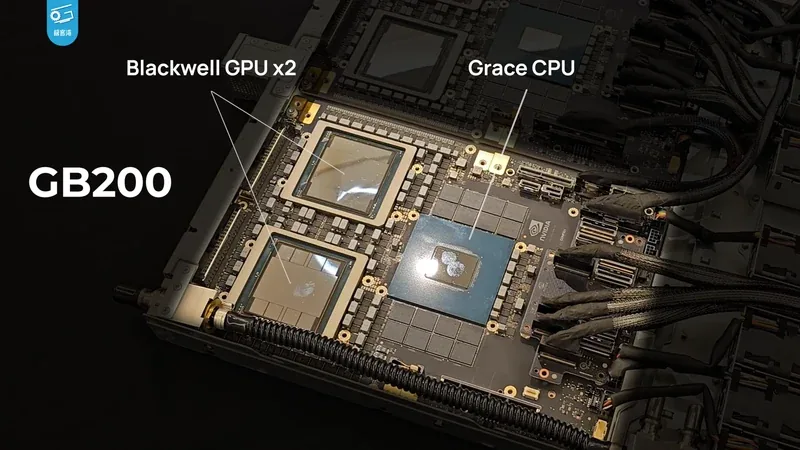
Mistral announced Mistral Large 4 on October 6 and opened a public API preview. The company describes it as its largest multimodal model, with applications in coding, cybersecurity, finance, law and visual grounding. Its announcement says training used 3,800 NVIDIA Grace Blackwell GPUs at Mistral’s European datacenters.
The weights are a later milestone. Mistral plans to publish them by the end of October after additional red teaming with vetted cybersecurity partners and authorities. Customers can therefore test the hosted preview now, but should not describe the announcement as completed self-hosting availability. Vendor benchmark claims also remain distinct from performance in a customer’s own environment.
Evaluate the interface you can actually use
An API trial can establish how the model behaves with real prompts, documents and tool calls. It cannot by itself establish the memory, throughput or operational cost of a future self-hosted deployment. Those depend on the released artifacts, serving software and hardware configuration. Procurement plans should keep those evidence requirements separate.
Multimodal work also needs careful test construction. A correct answer about a screenshot may depend on a small interface label or an unusual layout. Generic image-description tests can miss failures that matter in document review or software operation. Include examples where the model should distinguish similar elements, identify missing information and decline to infer facts that the image does not show.
For professional workflows, factual grounding matters more than a confident tone. A legal or financial summary should point to the relevant supplied material and preserve exceptions. An evaluator needs to know whether an answer came from a source, an inference or an unsupported assumption. Those distinctions should be visible in the acceptance criteria before comparing models.
Prepare for the next milestone
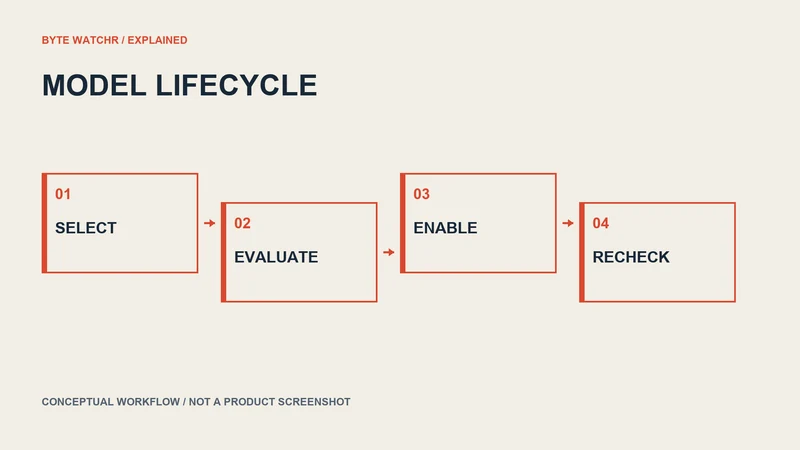
Teams interested in local deployment can use the preview period to assemble representative evaluation sets and identify operational requirements. They should document tool permissions, data handling and failure recovery now, while leaving hardware sizing provisional until the actual serving requirements are available. A planned release date is useful for scheduling, but is not a substitute for delivered artifacts.
The additional red-teaming phase can also produce changes that affect application behavior. Preview integrations should avoid assuming that every response format, safeguard or latency characteristic is permanent. Keeping the model behind a versioned adapter makes subsequent adjustments easier to test without rewriting the entire application.
Byte Watchr’s assessment is that the API preview provides immediate evidence about the model’s hosted behavior, while the weight release will open a separate deployment discussion. Organizations should advance those two tracks at their own pace. The strongest adoption case will combine task-level quality, operational controls and a cost comparison based on the deployment route that is actually available.
Sources & further reading
Factual statements are grounded in the linked material. Interpretation and illustrative examples are Byte Watchr analysis. Vendor claims are identified as claims, rather than independent testing.
The event date records the source announcement or documented operation. The coverage edition groups recent developments and is separate from the publication date. Actual publication is recorded above.
Corrections policy · About this byline