What to know
- September revenue was approximately NT$511.86 billion.
- Sales fell 0.6% from August and rose 54.6% year over year.
- The report does not break out AI or packaging revenue.
A strong annual comparison with a flat monthly pattern
TSMC reported September consolidated revenue of approximately NT$511.86 billion on October 8. Sales increased 54.6% from September 2025 and declined 0.6% from August 2026. Revenue for January through September reached approximately NT$3,898.73 billion, up 41.1% from the same nine-month period a year earlier.
The monthly release supplies an aggregate measure of sales, not a product-level explanation. It does not identify AI revenue, individual customer orders, process-node contributions or packaging sales. The annual growth figure is substantial, but attributing all of it to one technology would go beyond what the disclosure establishes.
Different comparisons answer different questions
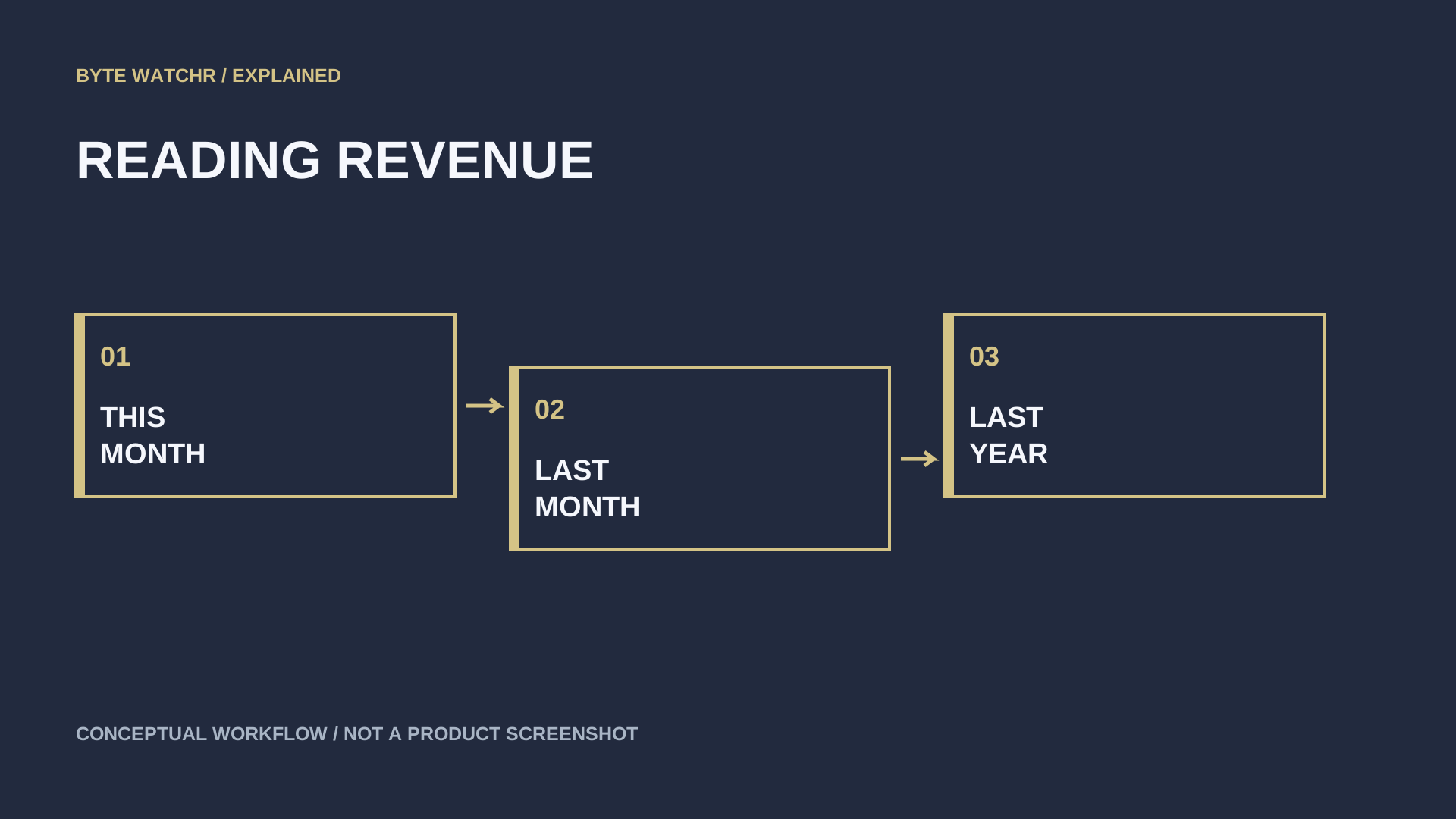
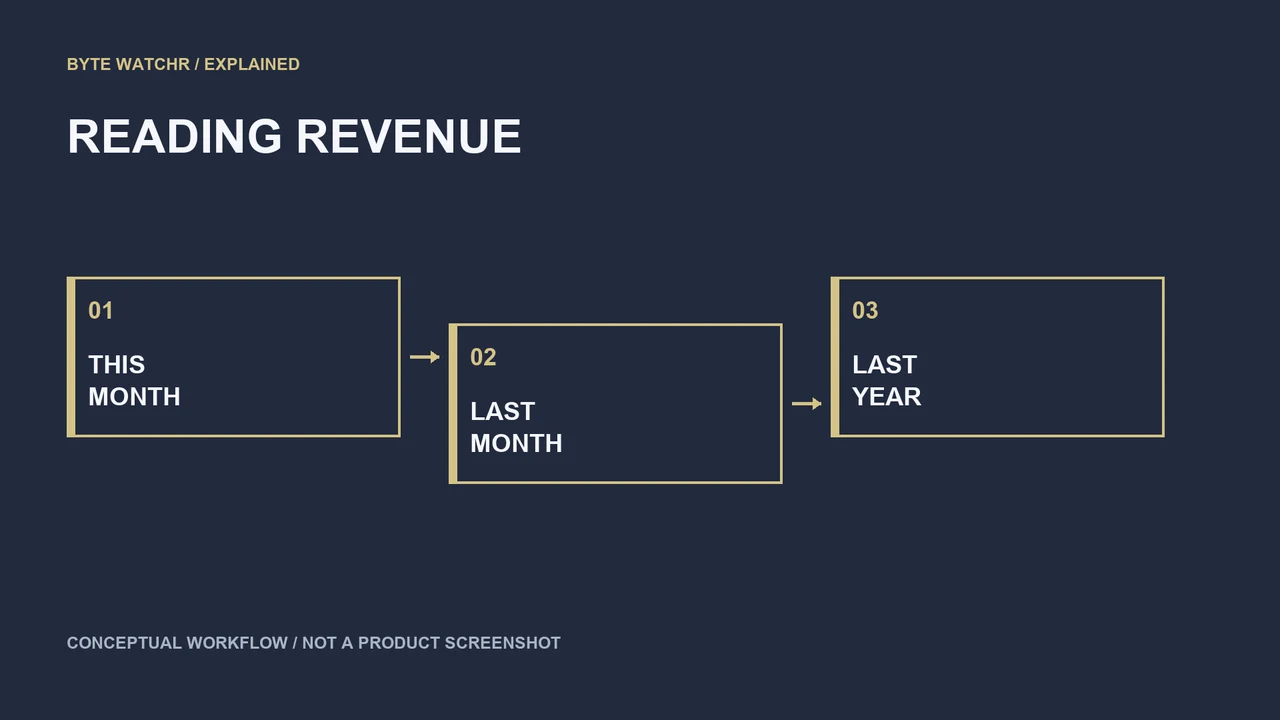
The year-over-year figure compares September with the same month in the previous year. The month-over-month figure compares it with August. Both can be true without contradiction: a business can remain close to a recent high level while being much larger than a year earlier. Readers should retain the comparison period whenever repeating a percentage.
The nine-month result provides another view by combining several periods. It reduces dependence on one month’s timing, but it still does not reveal the sources of growth. Shipment schedules, customer mix and pricing can affect revenue alongside manufacturing volume. More detailed disclosures are needed before assigning a particular explanation to the aggregate change.
Revenue also differs from profit and cash generation. Higher sales can coincide with changes in costs, investment and margins that a monthly sales report does not show. Treating the release as a complete financial assessment would blur those measures. The immediate conclusion is about reported sales growth, while earnings and operating information remain separate evidence.
What the next disclosure should clarify
The detailed quarterly report will be useful for understanding product mix and operating performance. Analysts should compare the monthly pattern with management’s explanations, capacity discussion and capital plans rather than fill the gap with assumptions. A headline growth rate can identify an important development without supplying its entire cause.
For customers, aggregate growth does not establish their own allocation or delivery schedule. A manufacturer may have strong revenue while particular products remain constrained. Procurement teams need contract and supply information specific to their requirements. They should avoid inferring available capacity from company-wide sales alone.
Byte Watchr’s assessment is that September’s release shows sustained scale and a strong annual expansion in TSMC’s reported business. It does not independently quantify AI’s share or establish a profitability trend. The useful reading keeps the numbers, currencies and comparison periods explicit, then waits for detailed reporting to explain the mix and operational consequences behind them.
Sources & further reading
Factual statements are grounded in the linked material. Interpretation and illustrative examples are Byte Watchr analysis. Vendor claims are identified as claims, rather than independent testing.
The event date records the source announcement or documented operation. The coverage edition groups recent developments and is separate from the publication date. Actual publication is recorded above.
Corrections policy · About this byline