What to know
- The advisory applies to affected Fabric OS versions before 10.0.1.
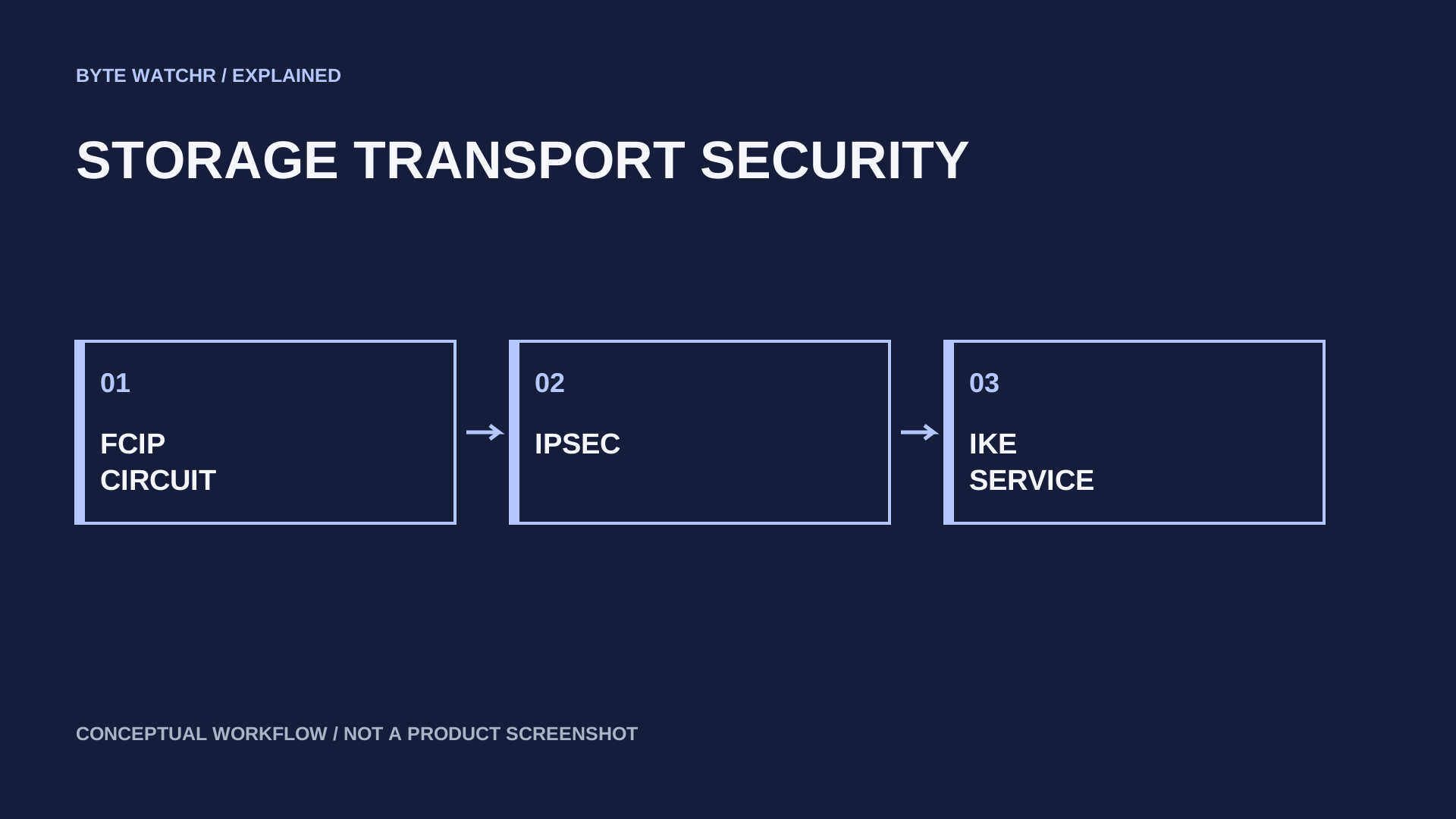
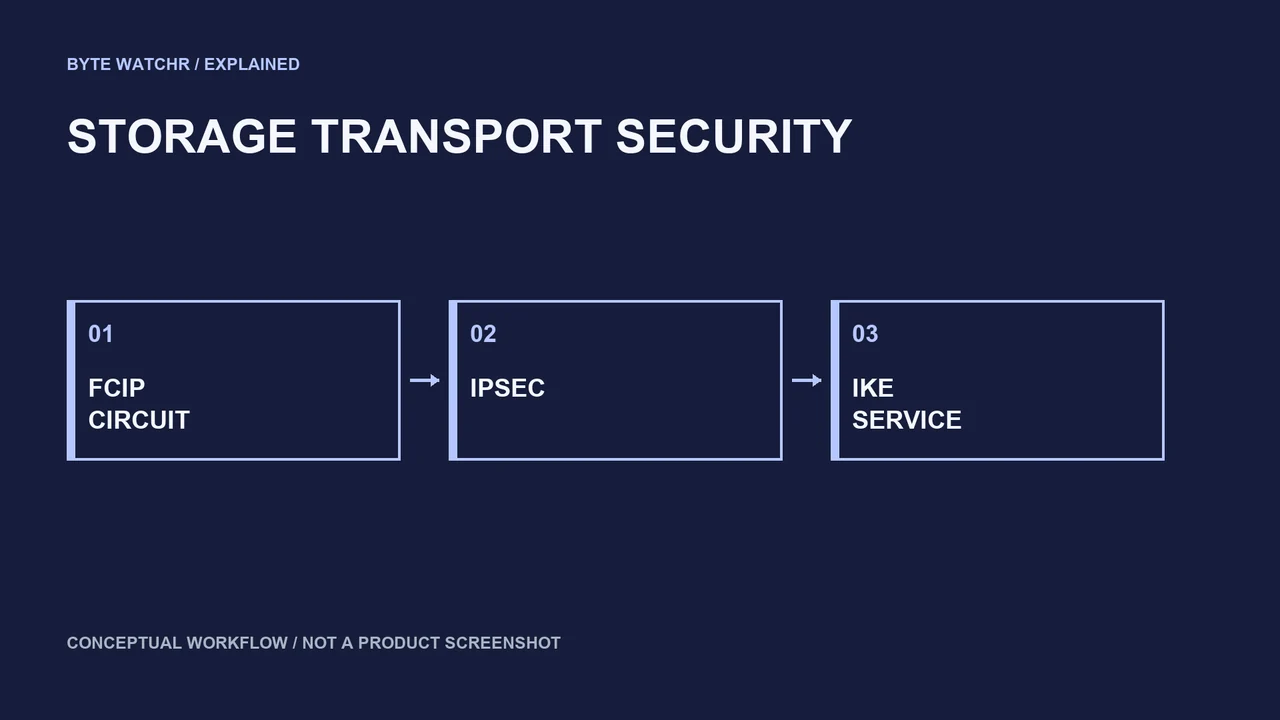
- The vulnerable configuration uses IPsec on FCIP circuits.
- The stated impact is a data-plane process crash and denial of service.
The advisory identifies a specific configuration
Broadcom’s October 6 advisory describes CVE-2026-87665, a stack overflow in IKEv2 handling on Brocade Fabric OS extension switches and blades. The affected configuration has IPsec enabled on Fibre Channel over IP circuits. An oversized nonce in an unauthenticated IKEv2 packet can crash a data-plane process and cause denial of service, according to the vendor.
The advisory lists Fabric OS versions before 10.0.1 as affected and 10.0.1 as the fixed release. It assigns a medium severity rating and a CVSS v4 score of 6.0, with an adjacent-network attack vector. Brocade SANnav and ASCG are listed as unaffected. These details describe an availability vulnerability in a particular network function. The advisory does not establish remote code execution or theft of stored information.
Source: Broadcom: Brocade Fabric OS IKEv2 security advisory BSA-2026-3961
Analysis: Exposure depends on the transport path
A storage network inventory needs more detail than a list of devices running Fabric OS. Teams must identify the extension switch or blade, its software release, the circuits configured on it and whether those circuits use IPsec. The reachability of the IKE service then determines which network paths are relevant to the assessment. The advisory’s adjacent-network vector should not be generalized into a claim that every affected device is exposed to the public internet.
FCIP transports storage traffic between sites, so a failure can have consequences beyond an individual management interface. The operating team should establish which replication or recovery workflows depend on each circuit. A device may have redundant paths, but those paths need to be verified against the actual failure being considered. Two circuits sharing a common component can offer less independence than a diagram suggests.
The stated impact also determines what evidence is useful. Process crashes, transport interruptions and failover behavior are directly relevant to an availability investigation. A claim of data theft would require separate evidence about unauthorized access or transfer. Keeping these questions separate allows incident teams to prioritize service continuity without making unsupported conclusions about confidentiality.
Patch planning should preserve recovery capacity
Updating an extension system requires coordination with the owners of the workloads it carries. A maintenance plan should identify the fixed version, compatibility requirements and expected behavior while the device restarts or a circuit changes state. Teams can verify the alternate path before beginning the update and check that replication resumes as expected afterward.
Configuration records should be updated alongside the software inventory. If IPsec is disabled or a relevant service is restricted during remediation, that change needs an owner and a reason. Otherwise, a temporary workaround can become a permanent exception that is difficult to interpret during a later incident. The final record should state which systems were updated and which were excluded because they did not match the affected configuration.
Broadcom’s advisory gives operators a defined software boundary and a defined impact. The remaining work is local: establish the affected transport dependencies, install the fixed release and confirm that service recovery arrangements behave as intended. Those operational checks provide stronger evidence of remediation than a fleet-wide version count on its own.
Sources & further reading
Factual statements are grounded in the linked material. Interpretation and illustrative examples are Byte Watchr analysis. Vendor claims are identified as claims, rather than independent testing.
The event date records the source announcement or documented operation. The coverage edition groups recent developments and is separate from the publication date. Actual publication is recorded above.
Corrections policy · About this byline