What to know
- Mozilla identifies the issue as CVE-2026-106016.
- The advisory rates its impact as moderate.
- The listed fixed version is Firefox 157.0.1.
The advisory defines a narrow public record
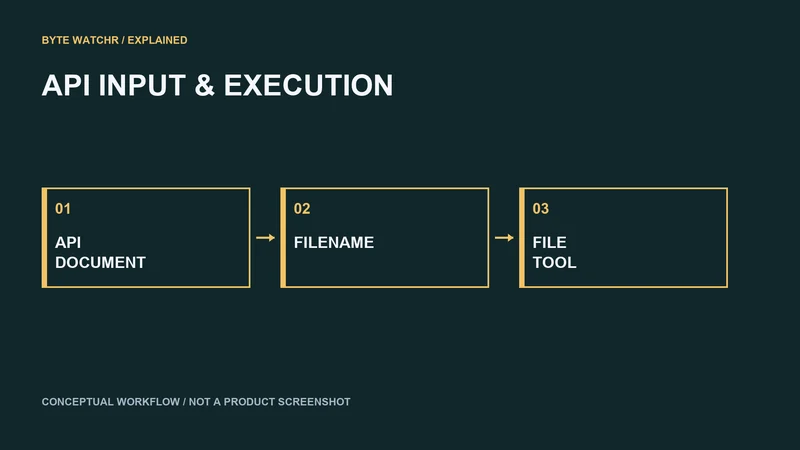
Mozilla released security advisory MFSA 2026-104 on October 6, identifying CVE-2026-106016 as a mitigation bypass in Firefox’s File Handling component. The advisory rates the issue as moderate and lists Firefox 157.0.1 as the fixed version. It credits researcher Abdulrahman Alzahrani with the report.
The published entry does not give a detailed exploitation scenario or state that attacks have been observed. Those omissions limit what can be concluded from the advisory alone. The supported claim is that Mozilla has identified and fixed a security issue in a specified browser release. A description of a mitigation bypass should not be expanded into an unsupported claim about remote code execution or confirmed compromise.
Analysis: Browser inventory determines the response
Organizations managing browser updates need to locate the installations that actually run in their environment. A version shown on a central inventory dashboard may lag behind the executable launched by a user, especially where several release channels or portable copies coexist. The relevant check is whether the browser that handles a user’s normal work has received the applicable update.
An update can be downloaded while an older process remains open. Verification therefore needs to include the version after the required restart, rather than only the success message from a software-distribution tool. Teams should communicate the restart requirement in a way that accommodates unsaved work and makes the completion state clear.
Browser security also intersects with applications that open downloaded files. Even without a public technical explanation of this flaw, administrators can review whether users receive consistent prompts and whether managed application associations behave as intended. That is an operational check, not evidence of the vulnerability’s mechanism. It should be recorded separately from the vendor’s confirmed facts.
Severity and evidence should remain distinct
A moderate rating is useful for planning, but it is not a complete statement about exposure. The browser’s role, the software version in use and the surrounding controls influence the decision. A heavily used browser on a workstation with sensitive access may deserve prompt maintenance even when a patch is not described as critical.
Conversely, the presence of an affected version does not prove that an attacker used the issue. An incident assessment needs its own evidence, such as suspicious file activity, unusual process behavior or a relevant user report. Updating software addresses an identified weakness; it does not by itself establish that a past session was safe or that a reported anomaly was caused by this CVE.
The immediate action supported by Mozilla’s record is to verify the fixed release where applicable. Further technical detail may refine the exposure assessment later. Until then, accurate version tracking and a confirmed update are more useful than filling gaps in a short advisory with assumptions about how an attack would work.
Sources & further reading
Factual statements are grounded in the linked material. Interpretation and illustrative examples are Byte Watchr analysis. Vendor claims are identified as claims, rather than independent testing.
The event date records the source announcement or documented operation. The coverage edition groups recent developments and is separate from the publication date. Actual publication is recorded above.
Corrections policy · About this byline