What to know
- Live Avatar combines generated visuals with Gemini live dialogue.
- Custom avatar creation requires enterprise allowlisting.
- A visual persona does not establish the authority of an answer.
A visual layer for live conversations
Google introduced Gemini 3.8 Live with Live Avatar on September 24. The enterprise feature couples live dialogue with generated video and can continue a conversation while invoking tools in the background. Google says it is available through Gemini Enterprise, with custom avatar creation restricted through enterprise allowlisting.
The company also describes SynthID watermarking for generated audio and video. Those measures address parts of identity and provenance, but a watermark is not the same as a visible disclosure to the person in a conversation. Organizations still need to decide how clearly the interface identifies itself as an automated system.
Presentation can change how an answer is received
A face, voice and responsive expression can make an interface easier to follow. They can also lead a user to assign more certainty or authority to a statement than its evidence supports. Product design should preserve the difference between a helpful conversational presence and a verified representative authorized to make a commitment.
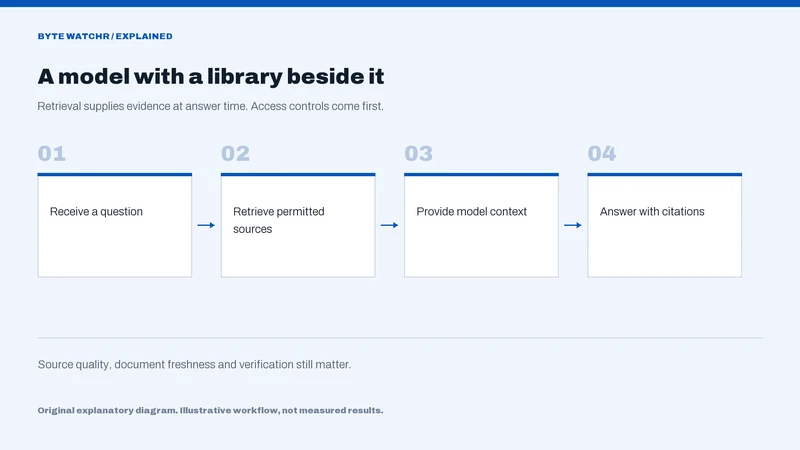
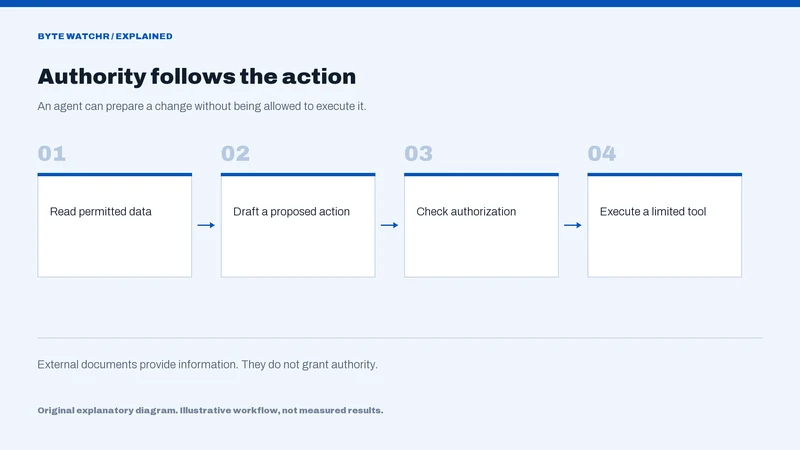
That distinction matters when the assistant retrieves information or performs an action during the exchange. A smooth conversation can continue while a tool call is pending or has failed. The user should be able to understand whether the system has actually confirmed a reservation, retrieved a record or merely begun trying to do so.
A useful evaluation would include interruptions and corrections, not only scripted exchanges. The avatar, spoken response and application state need to stay consistent when the user changes the request halfway through a task. If the interface appears to confirm an action that the underlying system rejected, visual fluency has made the outcome less clear rather than more useful.
Identity controls extend beyond generation
Byte Watchr’s assessment is that custom personas need a documented chain of permission. The organization should know whose image or voice is represented, what use was authorized and how that authorization can be withdrawn. Access to a generation feature does not by itself resolve those questions for every proposed reference image.
Operational testing should also examine accessibility. Some users will rely on text, some on audio and others on a combination. Essential status information should not exist only in facial expression or visual animation. A transcript and explicit action status can help preserve the meaning of the exchange when one mode is unavailable or unsuitable.
The release expands the ways an enterprise can present a conversational agent. The important deployment evidence remains the same: accurate information, clearly authorized actions and an understandable account of what happened. The added visual layer should support those outcomes while making the system’s automated nature and practical limits visible to the people using it.
Sources & further reading
Factual statements are grounded in the linked material. Interpretation and illustrative examples are Byte Watchr analysis. Vendor claims are identified as claims, rather than independent testing.
The event date records the source announcement or documented operation. The coverage edition groups recent developments and is separate from the publication date. Actual publication is recorded above.
Corrections policy · About this byline
,_Charleston_Road,_Google-Schild_--_2022_--_2896.jpg)