What to know
- Stacked pull requests are available on all github.com plans.
- Rebasing unchanged code can preserve approvals.
- Auto-merge for stacks is rolling out over the coming weeks.
Dependent changes gain a more complete workflow
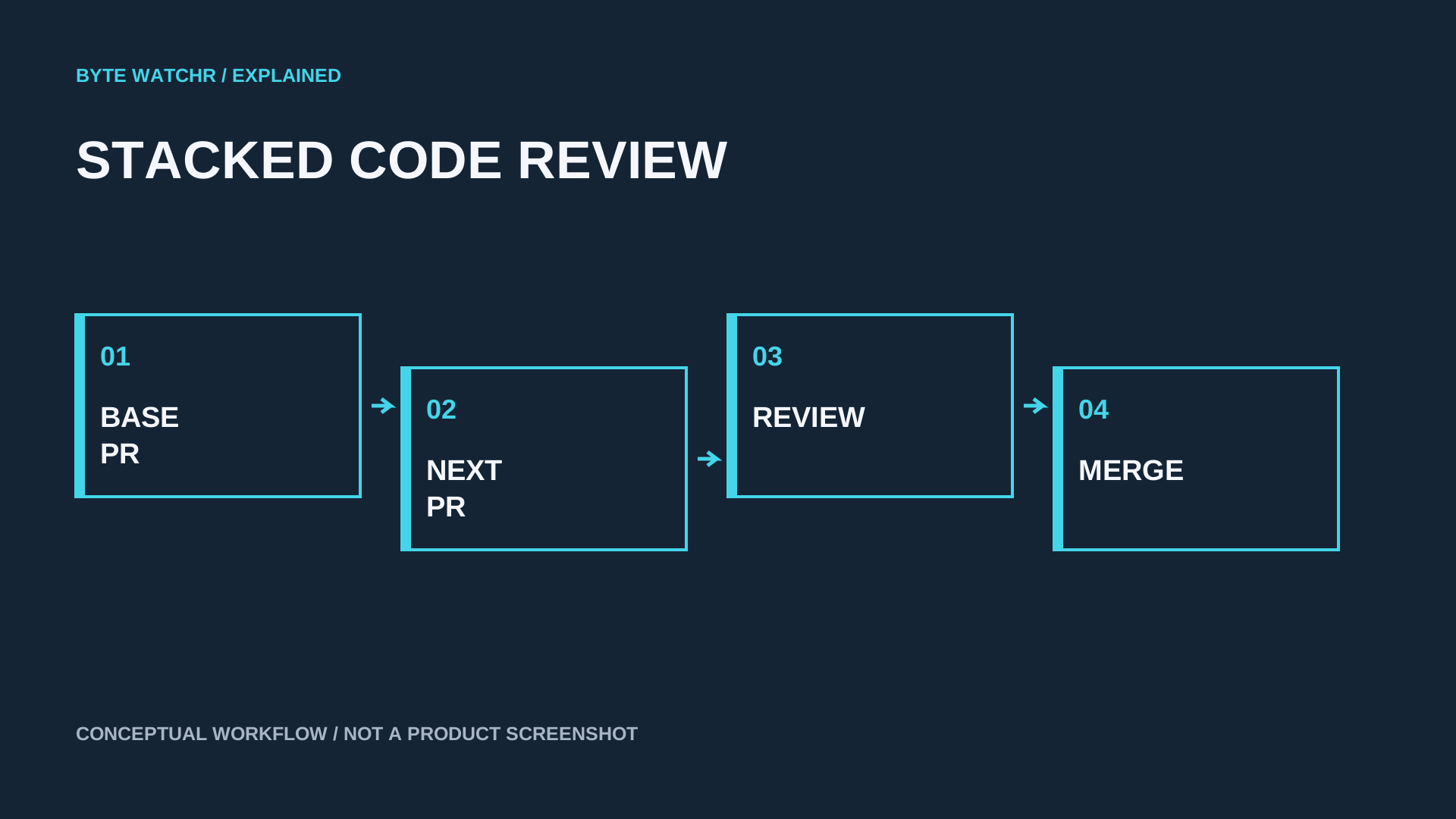
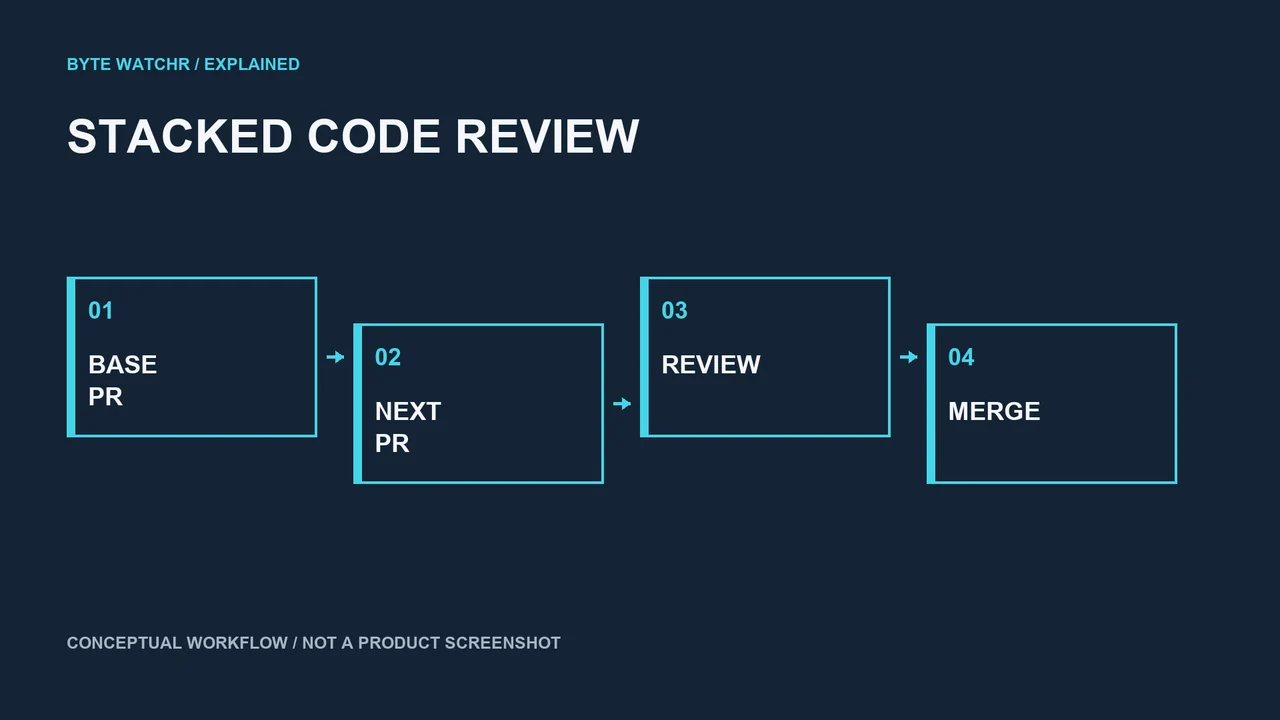
GitHub made stacked pull requests generally available on October 6 across all github.com plans. The feature lets developers divide a larger change into dependent pull requests that can be reviewed separately and merged together. GitHub says support will also arrive in a future Enterprise Server release.
The update preserves approvals when an otherwise unchanged stack is rebased after its base branch advances. Replacement commits are signed, and a stack enters the merge queue as one merge group. The CLI extension also supports Git worktrees. Auto-merge for stacks is being introduced over the following weeks, so it should not be assumed available everywhere on announcement day.
Merge history and recovery deserve attention
Grouped queue handling changes how teams should think about deployment and rollback. A stack may merge together while its individual changes produce separate merge commits. Operators need to know whether a release can be reversed as a whole or whether later changes depend on a schema migration that requires a different recovery procedure.
The CLI improvements are also relevant for developers using agents across several branches. Worktrees give each checkout a separate working directory, but shared repository state and branch dependencies still require coordination. A clear stack order and ownership record can prevent an automated task from editing the wrong branch or assuming that an unmerged dependency already exists on main.
General availability makes the workflow easier to adopt as part of normal development. Its value depends on keeping each review understandable and testing the combined result. Teams can evaluate the feature with a representative change, measuring review effort and integration failures alongside time to merge rather than treating a shorter queue time as the only outcome.
Sources & further reading
Factual statements are grounded in the linked material. Interpretation and illustrative examples are Byte Watchr analysis. Vendor claims are identified as claims, rather than independent testing.
The event date records the source announcement or documented operation. The coverage edition groups recent developments and is separate from the publication date. Actual publication is recorded above.
Corrections policy · About this byline