What to know
- The detector is available globally in English.
- It checks supported image, video and audio watermarks.
- Absence of a detected watermark is not proof of origin.
A public verification tool
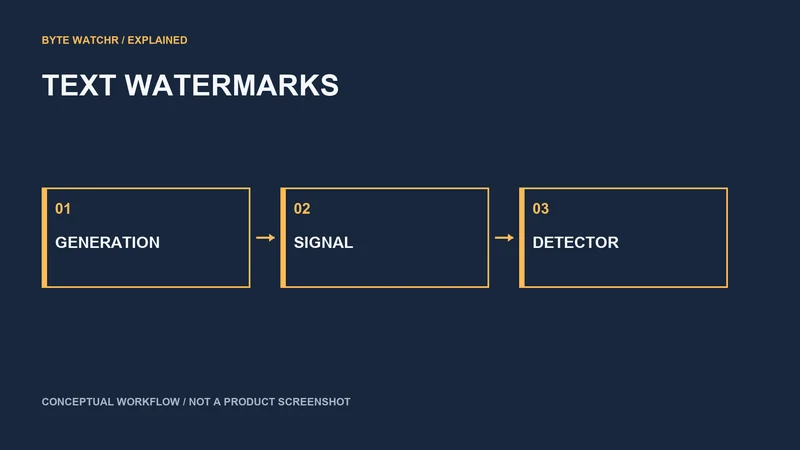
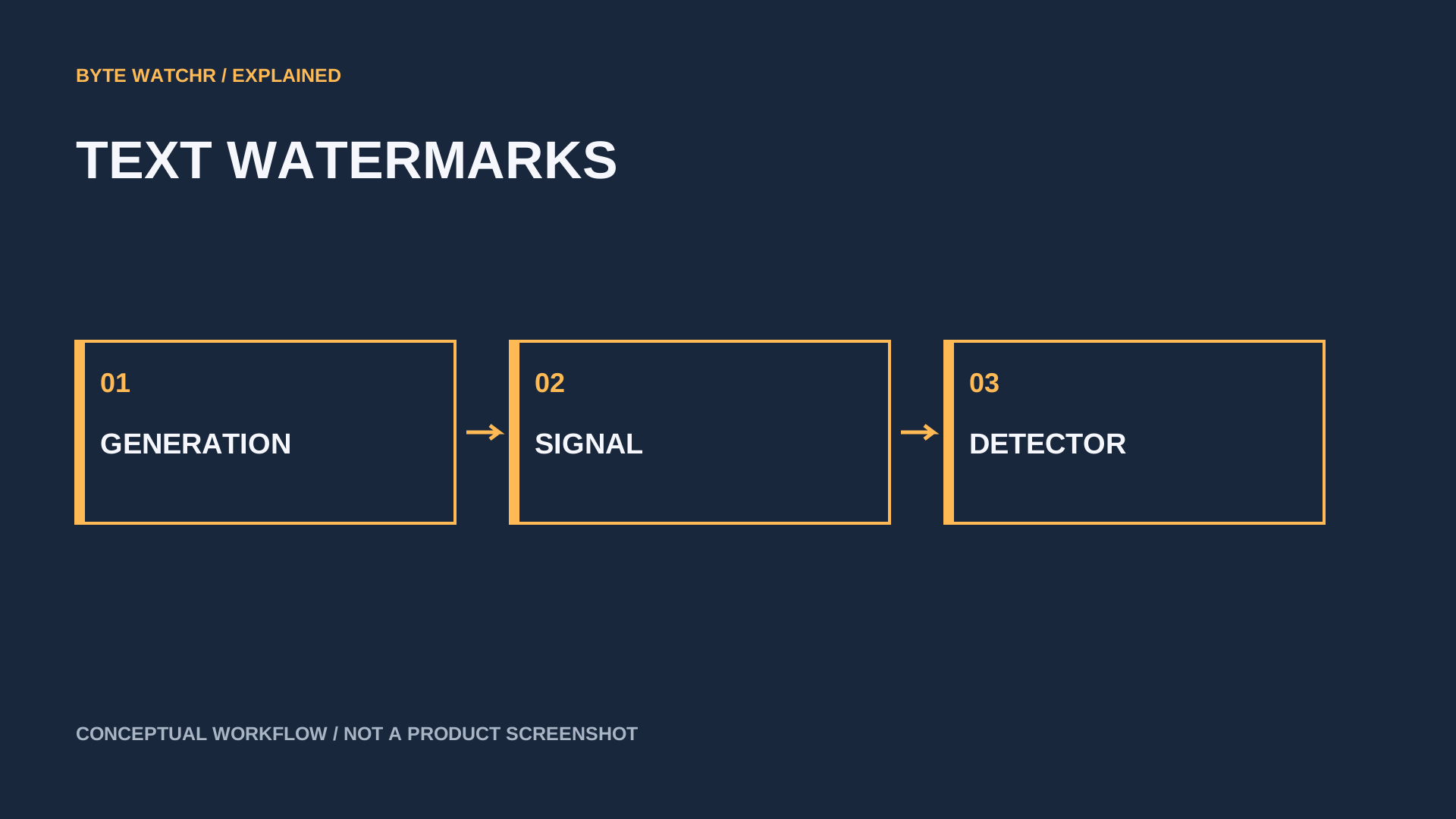
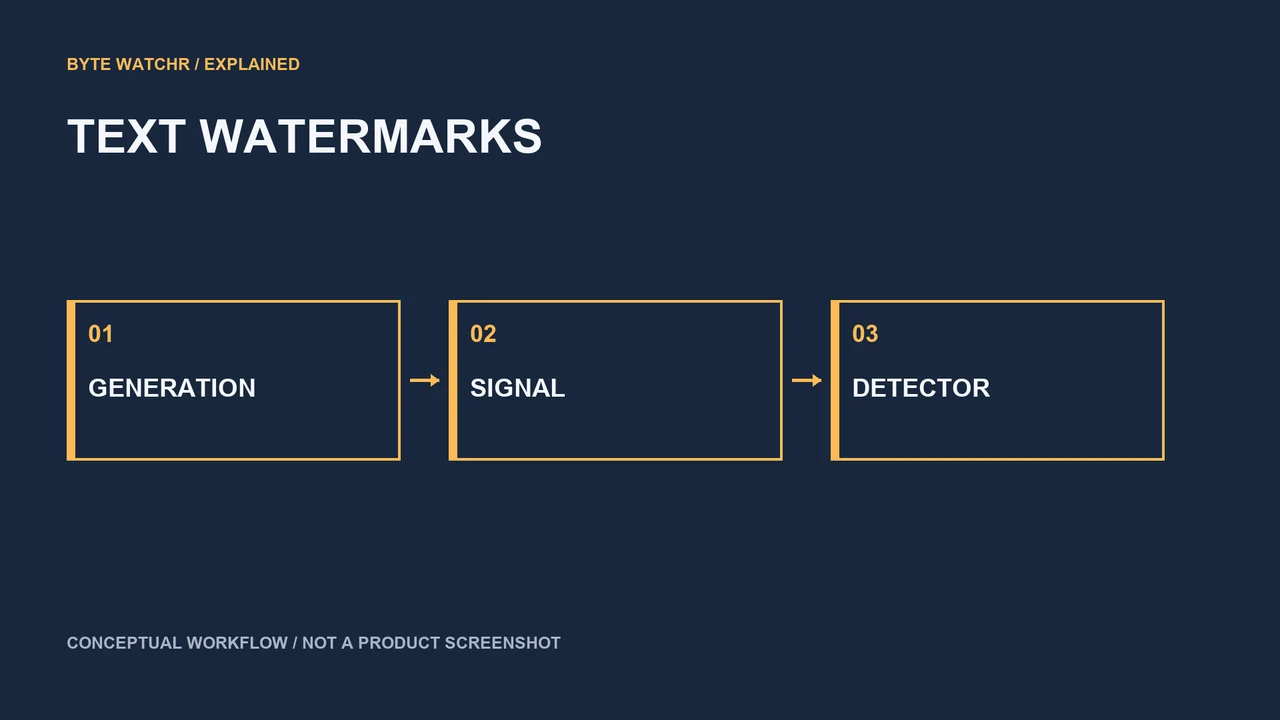
Google expanded SynthID Detector on October 7 from an early offering for media professionals to a public tool available globally in English. Users can check images, video and audio for watermarks associated with content created by Google and participating partners. The announcement names OpenAI, NVIDIA and Kakao among partners, with Apple support described as forthcoming.
The important boundary is the supported watermark system. SynthID Detector is not a universal classifier for every synthetic file. It can provide evidence about a detectable embedded signal, while a negative result leaves other origins possible. Removing that distinction from a headline or verification workflow would turn a useful tool into an unreliable claim of authenticity.
A result needs a precise interpretation
Newsrooms and communications teams should record what file they checked, what result they received and when they performed the check. Copies of the same apparent image may have different processing histories. A screenshot, crop or compressed copy should not automatically inherit a result obtained from another version. Keeping the tested artifact makes later review possible.
A positive watermark result should also be separated from the truth of the depicted event. Synthetic media can illustrate a real development, while an unmarked photograph can be misleading through its caption or context. Origin evidence answers one question in a larger verification process. It does not establish location, date, consent or whether a claim attached to the file is accurate.
For a negative result, the appropriate conclusion is narrower still. The file may come from a system outside the supported network, or the detectable signal may not be present in the checked version. A responsible workflow leaves those possibilities open and seeks other evidence, including the original publisher, acquisition history and independent confirmation of the scene.
Use detection alongside provenance
Organizations can add the tool to a checklist without making it the sole gate for publication. A practical record should include source links, the original file where available, known edits and the wording of any origin claim. Reviewers should be able to distinguish a technical result from an editor’s inference about the material.
The same discipline helps internal design teams. If a generated illustration is deliberately used, disclose its role directly instead of asking readers to discover it through a detector. Labeling and source attribution remain useful even when a watermark exists. They explain how an image relates to the article and reduce the chance that an illustration is mistaken for documentary evidence.
Byte Watchr’s assessment is that wider detector access lowers the effort needed to inspect supported media. Its value depends on careful interpretation. The strongest practice combines technical signals with a documented source history and transparent captions, while avoiding the tempting but unsupported leap from no detected watermark to a claim that a file must be human-made.
Sources & further reading
Factual statements are grounded in the linked material. Interpretation and illustrative examples are Byte Watchr analysis. Vendor claims are identified as claims, rather than independent testing.
The event date records the source announcement or documented operation. The coverage edition groups recent developments and is separate from the publication date. Actual publication is recorded above.
Corrections policy · About this byline